Why Home Inspections Matter for Buyers and Sellers

A beautiful kitchen can hide old wiring. A fresh coat of paint can cover water stains. A clean basement can still have a moisture problem after the next heavy rain. Real estate decisions often move quickly, but the parts of a home that matter most are not always easy to see.
That is why inspections matter.
For buyers, an inspection can reveal safety issues, needed repairs, and long-term costs before the deal closes. For sellers, it can reduce surprises, support fair pricing, and make negotiations smoother. A Home Inspection is not about finding a perfect house. It is about understanding the house well enough to make a confident decision.
What a home inspection actually does
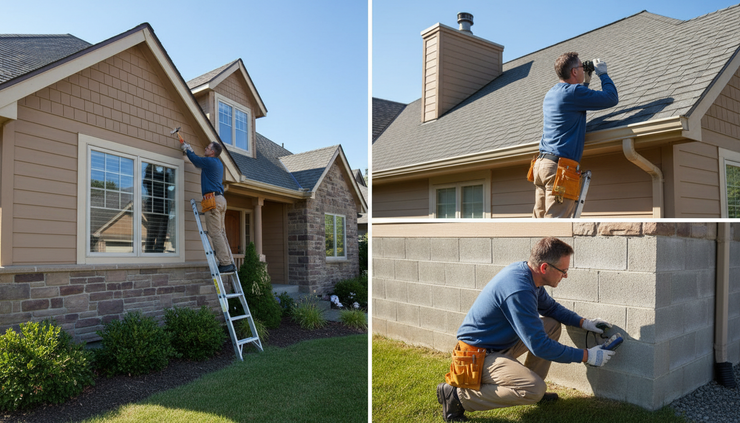
A general home inspection is a visual review of the major systems and accessible areas of a property. The inspector looks at the condition of the home at the time of the visit and documents visible concerns.
A typical inspection may include:
Roof, gutters, flashing, and visible drainage
Foundation, grading, basement, crawlspace, and structural components
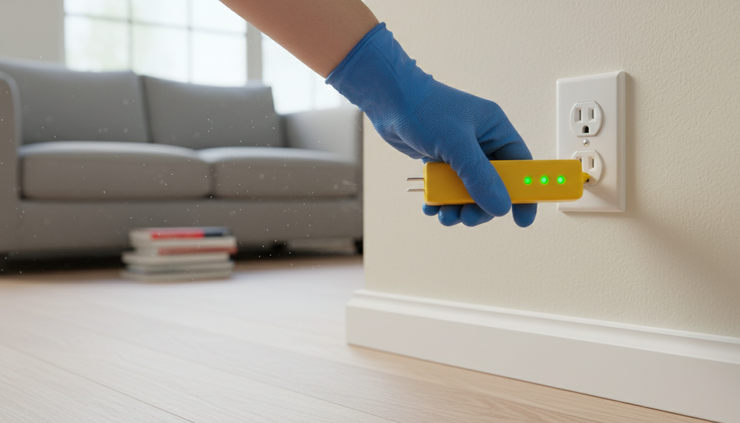
Electrical panel, outlets, switches, and visible wiring
Plumbing supply lines, drains, water heater, and fixtures
Heating and cooling equipment
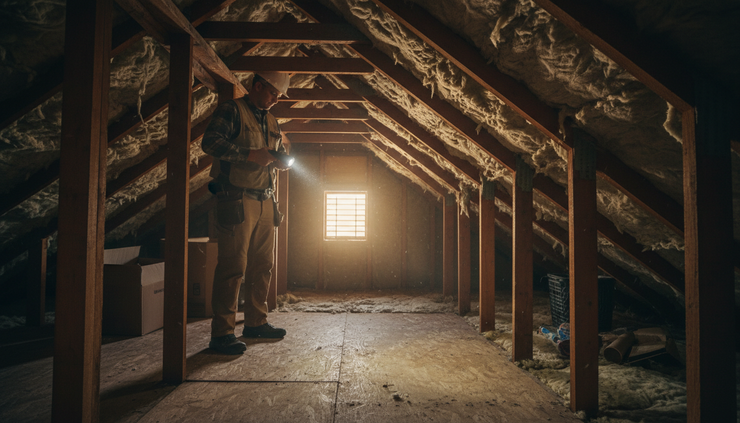
Attic insulation, ventilation, and signs of leaks
Windows, doors, walls, ceilings, floors, and stairs
Appliances that are included in the sale
Safety items such as railings, smoke alarms, and carbon monoxide alarms
The inspector does not tear into walls, move heavy furniture, or guarantee the future performance of every system. The value comes from an independent, trained set of eyes looking at the property in a structured way.
A good inspection report gives context. It should explain what the issue is, where it was found, why it matters, and whether a specialist should review it. Photos help buyers and sellers understand the concern without guessing.
An inspection report is not a pass-or-fail grade. It is a map of the home’s visible condition.
Why inspections are crucial for buyers
Buying a home is often one of the largest financial decisions a person makes. The inspection period gives buyers a chance to slow down and look beyond the floor plan, finishes, and curb appeal.
Inspections reveal hidden costs
A house can look move-in ready and still need expensive work. An aging roof, unsafe electrical panel, failing water heater, or poor drainage can change the true cost of ownership.
A buyer who learns about these issues before closing has options. They can ask for repairs, request credits, renegotiate the price, or walk away if the contract allows. Without an inspection, those costs may appear after move-in, when there is less room to act.
Inspections help buyers plan
Not every issue is a deal breaker. Many inspection findings are normal maintenance items. Loose fixtures, worn caulking, minor grading concerns, and older appliances are common in homes of all ages.
The report helps buyers sort repairs into practical categories:
Safety concerns
Items that should be addressed quickly, such as exposed wiring or missing handrails
Major repair needs
Larger items that may affect budget, insurance, or financing
Maintenance items
Smaller fixes that help protect the home over time
Monitoring items
Conditions that may not need repair now but should be watched
This kind of clarity helps buyers plan their first months and years in the property.
Inspections bring negotiating power
An inspection gives buyers more than a list of concerns. It gives them documentation. That matters during negotiations.
A vague worry about the roof carries less weight than a report showing damaged shingles, deteriorated flashing, and evidence of attic moisture. Clear findings make conversations more practical and less emotional.
This content is informational only and is not legal, financial, or real estate advice. Contract rights, deadlines, and negotiation options vary by state and by the terms of the purchase agreement.
Why inspections matter for sellers too
Some sellers think inspections only help buyers. In reality, sellers can benefit just as much, especially when they order a pre-listing inspection before putting the property on the market.
A pre-listing inspection reduces surprises
Deals can become stressful when major issues surface late. A buyer may ask for repairs, request a price reduction, delay closing, or cancel if the contract allows. A seller who already knows the home’s condition can prepare.
A pre-listing inspection gives sellers time to:
Fix key items before showings
Gather repair receipts and warranties
Price the home more accurately
Disclose known issues properly
Avoid rushed decisions during negotiations
This does not mean sellers need to repair everything. It means they can make informed choices instead of reacting under pressure.
Inspection findings can support trust
A seller who shares recent inspection information may help buyers feel more comfortable. It shows transparency and can make the property stand out, especially if the seller has addressed major concerns.
Buyers may still order their own inspection, and they should. But a seller’s inspection can set a helpful tone. It can also shorten the list of surprises that might appear later.
Repairs before listing can improve marketability
Some issues are small but noticeable. A missing outlet cover, loose stair railing, dripping faucet, or stained ceiling tile can raise questions during showings. Buyers may wonder what else has been neglected.
Taking care of simple repairs before listing can make the home feel better maintained. Larger repairs should be weighed carefully with an agent or qualified advisor, since not every upgrade brings a return. Still, knowing the condition of the home helps sellers spend wisely.
The value of a trusted inspector
The inspector you choose matters. A rushed or vague inspection can leave people with more questions than answers. A trusted inspector brings experience, patience, and clear communication.
Look for someone who:
Has proper state licensing or certification where required
Carries relevant insurance
Provides sample reports before booking
Explains findings in plain language
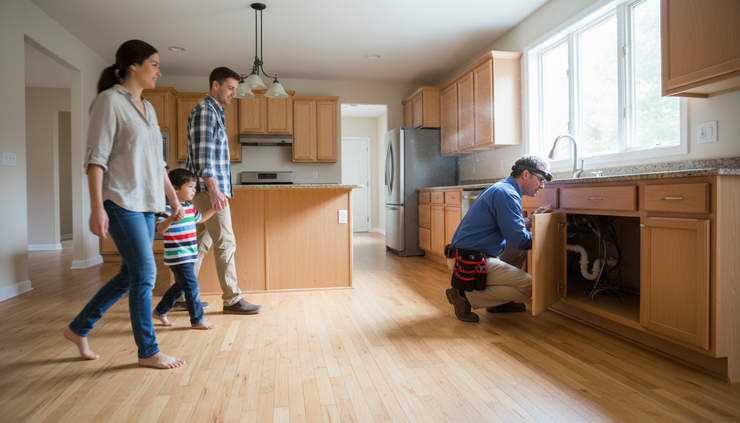
Encourages clients to attend the inspection when possible
Recommends specialists when an issue falls outside a general inspection
Has strong reviews that mention thoroughness and communication
A trusted inspector does not create drama to justify their fee. They also do not downplay serious issues to keep a transaction moving. Their role is to document visible conditions and help people understand risk.
The best inspectors can explain the difference between an urgent safety issue and a normal maintenance concern. That distinction keeps buyers and sellers from overreacting, while still taking real problems seriously.
How to schedule multiple inspections
A general inspection is often the starting point, not the only step. Depending on the home’s age, location, and visible conditions, buyers or sellers may need specialized inspections as well.
Common add-on or follow-up inspections include:
Termite or wood-destroying insect inspection
Radon testing
Sewer scope inspection
Mold assessment
Roof inspection by a roofing contractor
Chimney inspection
Pool or spa inspection
Well and septic inspection
Structural engineer review
HVAC, plumbing, or electrical specialist review
Not every home needs every inspection. A newer condo may need far fewer inspections than an older rural property with a septic system, private well, crawlspace, and fireplace.
Start with contract deadlines
For buyers, the inspection timeline is usually tied to the purchase contract. The deadline may be short, so scheduling should begin as soon as the offer is accepted.
A practical process looks like this:
Review the inspection contingency deadline
Confirm the date and time by which inspections, repair requests, or objections must be completed.
Book the general inspection first
This gives a broad view of the home and may reveal whether additional specialists are needed.
Ask the inspector which add-ons make sense
Some services can be done during the same visit. Others need separate contractors.
Coordinate access with the agent or seller
Make sure utilities are on, pilot lights are lit where applicable, and locked areas are accessible.
Schedule specialty inspections quickly
If the general inspector recommends a sewer scope, roof review, or structural review, do not wait until the final day of the inspection period.
Leave time to read reports
The goal is not just to complete inspections. The goal is to understand the findings before making decisions.
For sellers, scheduling multiple inspections before listing is usually easier because there is no buyer contract deadline. Still, it helps to make a clear plan. Start with the general inspection, then schedule specialty reviews only where the report or known property features call for them.
What to look for during an inspection
Attending the inspection, when possible, is one of the best ways to learn about a home. The report matters, but walking the property with the inspector can make the findings easier to understand.
Buyers should avoid shadowing every step or distracting the inspector while they work. A better approach is to be present, take notes, and ask questions at natural stopping points.
Pay close attention to these areas.
Water and drainage
Water causes many home problems. Look for signs of poor drainage, staining, soft materials, musty odors, or evidence of past leaks.
Outside, watch for ground that slopes toward the foundation, clogged gutters, short downspouts, and pooling areas. Inside, check around sinks, tubs, toilets, ceilings beneath bathrooms, basements, and crawlspaces.
Roof and attic
The roof protects the entire structure. Missing shingles, damaged flashing, sagging areas, moss growth, or worn roof coverings can signal repair needs.
In the attic, look for daylight through roof boards, damp insulation, rusted nails, stains, and poor ventilation. These can point to leaks or moisture problems.
Electrical system
Electrical issues can be serious. Inspectors commonly check the panel, visible wiring, outlets, GFCI protection near wet areas, and signs of unsafe work.
Warning signs include double-tapped breakers, open junction boxes, scorched outlets, flickering lights, and outdated or damaged wiring. Some findings need review by a licensed electrician.
Plumbing
Plumbing concerns range from minor leaks to costly replacement needs. Low water pressure, slow drains, corrosion, water stains, and older supply or drain materials should get attention.
The water heater also deserves a close look. Age, rust, improper venting, missing safety features, and signs of leakage can affect safety and budget.
Foundation and structure
Cracks do not always mean a major structural problem. Some are normal settlement. The pattern, width, location, and movement matter.
Look for doors that stick, uneven floors, stair-step cracks in masonry, bowing basement walls, and gaps around windows or trim. If the inspector sees warning signs, a structural engineer may be the right next step.
Common issues found during home inspections
Most inspection reports include a mix of minor defects, maintenance needs, and bigger concerns. The age of the home, local climate, and quality of past repairs all matter.
Common findings include:
Area | Common issue | Why it matters |
Roof | Damaged shingles or flashing | Can allow water into the attic or walls |
Exterior | Poor grading or clogged gutters | Can push water toward the foundation |
Electrical | Missing GFCI protection | Raises shock risk in kitchens, bathrooms, garages, and exterior areas |
Plumbing | Leaks under sinks or around toilets | Can damage cabinets, flooring, and framing |
HVAC | Dirty filters or aging equipment | Can reduce comfort and signal deferred maintenance |
Attic | Low insulation or poor ventilation | Can affect energy use and moisture control |
Structure | Cracks or movement signs | May need specialist review |
Safety | Missing smoke or carbon monoxide alarms | Simple to fix but important for occupant safety |
Older homes may also have outdated materials or past repairs that do not meet current expectations. Newer homes can have issues too, including poor installation, drainage problems, or unfinished builder corrections.
The point is not to panic over every line item. The point is to understand which findings are routine, which need prompt repair, and which require expert evaluation.
How buyers and sellers should use the report
The inspection report is most useful when it leads to clear decisions.
Buyers should read the full report, not just the summary. Photos and descriptions often give helpful context. After reviewing it, they can talk with their agent about contract options and with contractors about repair estimates when needed.
Sellers should use reports to separate real concerns from cosmetic complaints. If a buyer requests repairs, the report can help guide a practical response. If the seller ordered a pre-listing inspection, it can help decide what to repair, disclose, or price around before going active.
Both sides benefit when the conversation stays focused on facts. A cracked heat exchanger, active leak, or unsafe deck railing deserves a different conversation than chipped paint or a loose doorstop.
In a market where people search for ways to sell, buy home, and move quickly, the inspection process adds needed clarity. It helps turn a fast emotional decision into a better-informed one.
A smart inspection protects more than the transaction
Home inspections matter because they create clarity at a high-stakes moment. Buyers learn what they are taking on. Sellers learn what could affect the sale. Both sides gain a better path for pricing, repairs, negotiations, and planning.
The best results come from hiring a trusted inspector, attending when possible, asking clear questions, and scheduling specialty inspections when the property calls for them. No inspection can remove every risk, but skipping one can leave too much to chance.
A home does not have to be perfect to be the right choice. It does need to be understood.


Comments