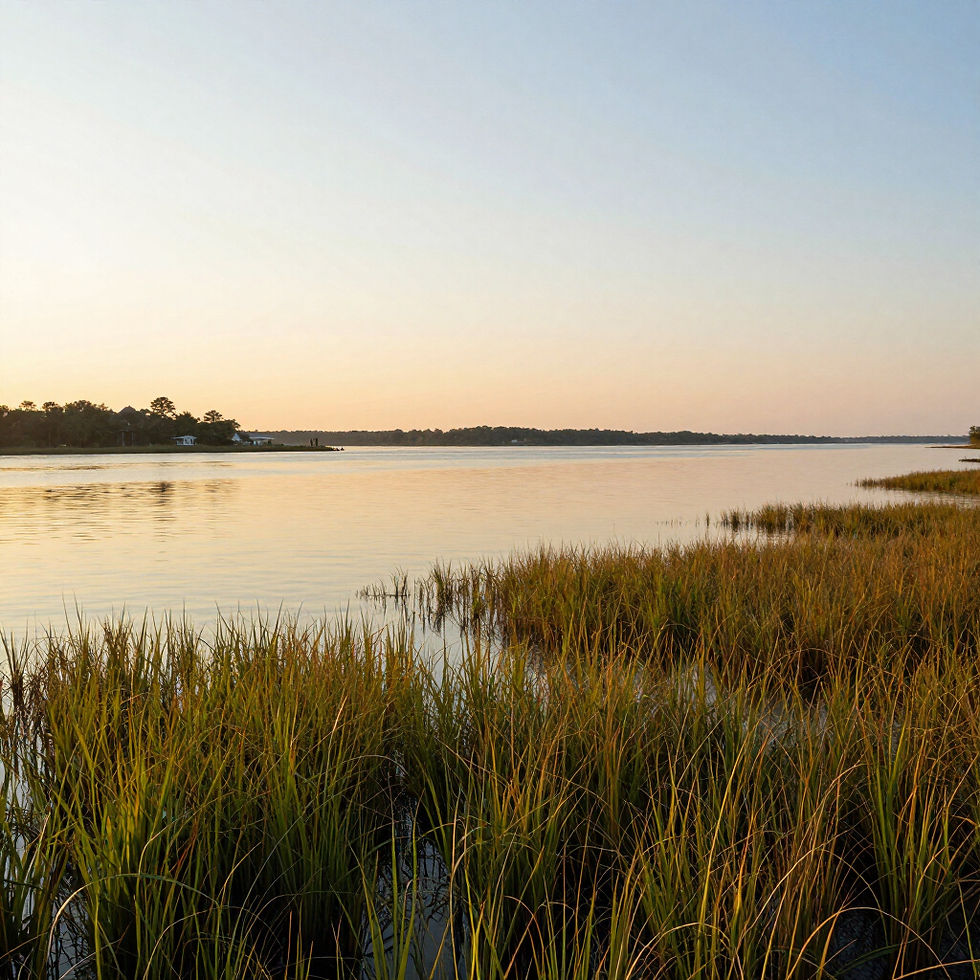
Your Path to Charleston Coastal Living
Relocate With a Plan, Not Just a Property Search
Charleston is a wonderful place to build a life, but the right decision requires local context. A beautiful home is only part of the equation. The surrounding roads, schools, medical access, insurance exposure, daily shopping, community rules, and future resale all become part of your ownership experience.
My approach is straightforward: listen first, reduce the map intelligently, explain the tradeoffs clearly, investigate what matters, and protect your ability to make a confident decision.
If you are relocating to Charleston, let’s begin with a conversation about your family—not a list of houses.
Redefining Coastal Relocation
Charleston is more than just a destination; it's a way of life. As a veteran who has navigated moves across the globe, I bring the precision of military intelligence and the warmth of Southern hospitality to your home search. We don't just find houses; we build the foundation for your new life in the Lowcountry.
Moving to Charleston, South Carolina:
A Family Relocation Guide
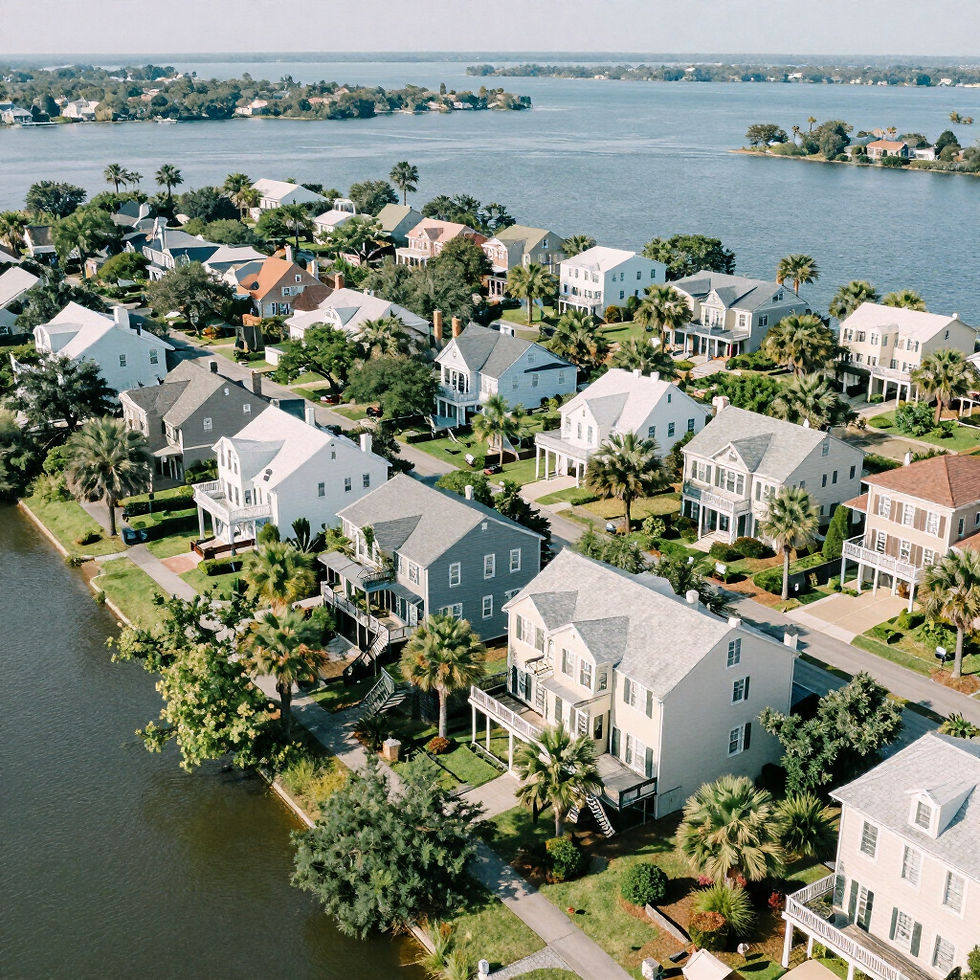
Charleston is not one lifestyle. It is a collection of historic streets, suburban communities, barrier islands, military corridors, river towns, and fast-growing neighborhoods connected by bridges, waterways, and a few very important roads.
That is why choosing a home here should begin with more than a price range and bedroom count. Your work location, school needs, medical care, tolerance for traffic, preferred access to water, insurance comfort, and daily routines can matter just as much as the house itself.
I am Rob “Red” Redziniak—Charleston’s Veteran Realtor with the Dave Friedman Team at Keller Williams, retired USAF, military relocation specialist, homeowner, investor, and Summerville resident. I help families understand the tradeoffs before they commit, because a home can look perfect online and still be wrong for the life you need to live.
This guide gives you a practical view of Charleston and the communities surrounding it—without ranking neighborhoods or telling you where you “should” live. My job is to help you compare the facts, investigate the details, and make a confident decision that belongs to your family.
Find the Part of Charleston That Fits the Way Your Family Actually Lives

Start With Your Life, Not a ZIP Code
Before comparing communities, answer five practical questions:
1. Where must you be on a normal weekday?
A commute to Joint Base Charleston, MUSC, Boeing, Volvo, downtown Charleston, Mount Pleasant, or the beaches can produce completely different search areas. In the Lowcountry, mileage alone does not predict travel time. Bridges, school traffic, rush hour, tourism, and limited cross-town routes matter.
2. How will you evaluate schools?
Public school placement is generally tied to the property address, grade level, district boundaries, and current assignment rules. Charleston County also has magnet, charter, Montessori, International Baccalaureate, and other choice programs. Berkeley and Dorchester districts serve many northern and suburban communities. Boundaries and programs can change, so verify the exact address directly with the appropriate district before making a housing decision.
3. What does “close” mean to your family?
Some buyers want a grocery store in five minutes. Others will trade retail convenience for land, privacy, boating access, or a quieter setting. Decide which errands must be easy and which can be occasional drives.
4. How much coastal-home complexity are you comfortable carrying?
Flood-zone designation, elevation, drainage, wind coverage, roof age, crawlspace condition, termite history, tree risk, and insurance availability can affect the true cost of ownership. Two homes on the same street can have different histories and different risk profiles.
5. What are your non-negotiables—and what are your preferences?
Separate the two. A required first-floor primary suite is different from a preferred white kitchen. A maximum commute is different from a preferred neighborhood style. This prevents attractive homes from pulling the search away from the life you intended to build.

The Charleston Homebuying Details That Online Searches Miss
A mailing address is not a municipality
A home labeled Charleston, Summerville, or another familiar city may sit outside that municipality or in a different county and school district. Verify jurisdiction, taxes, schools, utilities, and service providers by property—not by marketing label.
Distance is not commute time
Bridges, limited island routes, Interstate 26, Highway 17, Dorchester Road, Folly Road, and school traffic shape daily travel. Drive the route at the time you will use it.
Flood zone is only the beginning
Review elevation, drainage, prior water intrusion, nearby tidal influence, flood-insurance availability, lender requirements, and the seller’s knowledge. A property outside a high-risk mapped zone can still experience drainage problems.
Insurance can change affordability
Roof age, construction type, distance from the coast, wind coverage, flood coverage, claims history, and carrier availability can materially affect the monthly cost. Obtain quotes early, not days before closing.
New construction is not automatically maintenance-free
Evaluate builder reputation, contract terms, incentives, lender requirements, lot drainage, future phases, HOA responsibilities, inspection rights, warranty procedures, and what will be built nearby.
Renovated does not always mean corrected
Fresh finishes can conceal old systems or rushed work. Confirm permits when appropriate and inspect the roof, electrical, plumbing, HVAC, foundation or crawlspace, moisture, drainage, and structural changes.
Waterfront, marsh view, and water access are different
Waterfront, marsh view, and water access are different. A water view does not guarantee a dock, boat access, navigable depth, ownership to the water, or permission to build. Review surveys, critical-line information, easements, community dock rights, maintenance obligations, and applicable approvals.
The Lowcountry is hard on homes
Heat, humidity, termites, salt air, storms, mature trees, and standing moisture reward preventive maintenance. A well-maintained older home can be an excellent choice; a neglected newer home can become expensive quickly.
Strategic Operational Roadmap for a Seamless Coastal Move
The convenience of nearby retail or beach access feels different when you're navigating it daily versus visiting. We evaluate the 'hidden' infrastructure: neighborhood-specific HOA cultures, utility reliability, and upcoming municipal development projects.
True Transit Realities
Mapping apps don't account for the unique rhythm of Lowcountry bridges and school traffic patterns. A ten-mile commute in Charleston can take fifteen minutes or fifty depending on the specific neighborhood corridor and the time of year.
Micro-Climate Dynamics
Flood zones and elevation markers only tell part of the story. Hyper-local drainage history, localized wind protection, and crawling space moisture levels vary block-to-block, significantly impacting long-term ownership costs.
A Smarter Charleston Relocation Timeline
Phase 1: Precision Planning (90+ Days Out)
Lifestyle priority assessment and commute corridor analysis
Initial financial pre-approval and VA loan eligibility verification
Scouting specific school district assignment rules and Choice program deadlines
Phase 2: Active Scouting (60-90 Days Out)
Dedicated 'Red Carpet' weekend or comprehensive virtual property deep-dives
Detailed structural and environmental risk evaluation of top-tier homes
Crafting competitive offers based on current Lowcountry market data
Phase 3: Secure Landing (30-60 Days Out)
Coordination of specialized coastal inspections and repair verification
Secure management of all relocation-related closing logistics
Utility setup and community integration support planning
Phase 4: Welcome Home (Closing Day)
On-site final walkthrough and secure key handover
Transition to local veteran community networks
Ongoing homeowner support in the Lowcountry
Charleston Area School Guide
Discover top-rated educational opportunities across the Lowcountry, from award-winning public districts to prestigious private academies.
Strategic School Scouting Process
1
Identify the exact property address and municipality.
2
Confirm the currently assigned schools directly with the district.
3
Ask whether planned rezoning could affect the address.
4
Review transportation availability and realistic travel time.
5
Learn application requirements and deadlines for choice, magnet, or charter programs.
6
Visit schools and speak with administrators about the needs of your child.
7
Evaluate the factors important to your family rather than relying on a single online rating.
Community-by-Community Charleston Relocation Guide
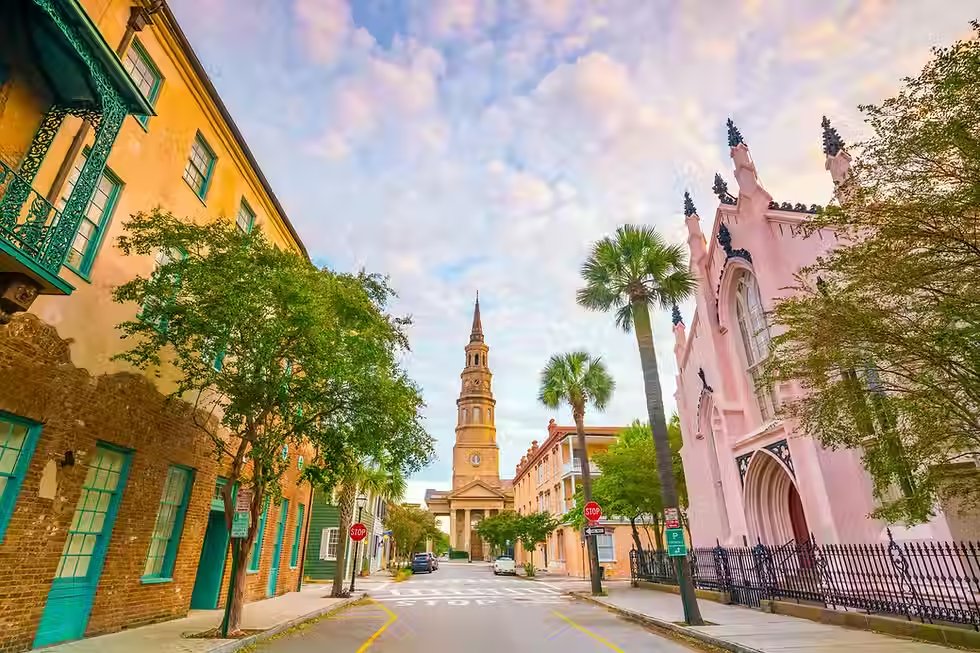
Charleston Peninsula
Charleston was founded in 1670 and moved to its present peninsula location in 1680. Originally called Charles Town, it became Charleston in 1783. Its streets reflect centuries of Native, African, Caribbean, European, and American history, including stories of both extraordinary achievement and profound hardship.
Today the peninsula offers the region’s most urban lifestyle. Families can be close to historic districts, restaurants, museums, parks, the College of Charleston, The Citadel, MUSC, and downtown employment. Daily shopping is available, but large-format retail usually requires a trip to West Ashley, Mount Pleasant, or North Charleston.
Local wisdom: “Downtown” is not a single housing experience. South of Broad, Harleston Village, Cannonborough-Elliotborough, the West Side, Wagener Terrace, North Central, and the upper peninsula differ in architecture, parking, lot size, renovation history, noise, and flood exposure. Older homes deserve careful review of foundations, masonry, electrical systems, plumbing, moisture, insurance, and any historic-district requirements.
West Ashley
West Ashley sits west of the Ashley River and is part of the City of Charleston rather than a separate town. The area includes some of Charleston’s earliest colonial settlement geography and later developed into a broad collection of established neighborhoods, commercial corridors, waterfront pockets, and newer infill communities.
Families often consider West Ashley for its proximity to downtown, grocery and retail access, parks, medical offices, and variety of home styles. Major shopping areas run along Savannah Highway and Sam Rittenberg Boulevard, while Roper St. Francis Hospital and MUSC outpatient services strengthen the medical network.
Local wisdom: West Ashley changes quickly from one pocket to another. Evaluate the precise route to work, not simply “minutes to downtown.” Ask about drainage after heavy rain, previous water intrusion, crawlspace moisture, sewer status, traffic around major intersections, and the roof and mechanical age of established homes.


Summerville and Ladson
Summerville began as Pineland Village, a retreat from the coastal heat and disease environment. The railroad transformed the area in the 1830s, and the town incorporated in 1847. Its early tree-preservation rules helped establish the identity still reflected in its mature canopy and historic center.
Today the greater Summerville area offers one of the region’s broadest ranges of housing: historic homes, established subdivisions, golf communities, large master-planned developments, new construction, townhomes, and properties with more land. Downtown Summerville, Nexton, Main Street, Dorchester Road, and nearby commercial corridors provide extensive shopping, dining, recreation, and healthcare.
Local wisdom: “Summerville” can refer to the incorporated town, a postal address, or the larger suburban area. Properties may fall in Dorchester District Two, Berkeley County School District, or another jurisdiction depending on location. A low-mileage commute can still be time-consuming along Interstate 26, Highway 78, Dorchester Road, or Nexton Parkway. Test the route and verify taxes, schools, utilities, HOA fees, and future construction.
Mount Pleasant
Mount Pleasant was first settled by English colonists in 1680 on land long inhabited by Indigenous peoples including the Sewee. The town incorporated in 1837 and grew from coastal villages shaped by shipbuilding, agriculture, maritime trade, and summer residences.
Modern Mount Pleasant offers extensive grocery options, Mount Pleasant Towne Centre, local shopping districts, parks, recreation, medical offices, and convenient beach access. Its housing ranges from the Old Village and established neighborhoods to large planned communities north along Highway 17.
Local wisdom: Mount Pleasant is long from south to north. A home with a Mount Pleasant address may be much farther from downtown or the beaches than a buyer expects. Test Highway 17, I-526, and Ravenel Bridge travel during real commute hours. Compare HOA fees, amenity costs, flood exposure, insurance, tree restrictions, and the maintenance demands of salt air and coastal moisture.
.webp)

James Island
James Island has deep agricultural, maritime, military, and Gullah Geechee history. It developed into a predominantly residential island community with mature neighborhoods, tidal creeks, marsh views, and convenient access to both downtown Charleston and Folly Beach.
Shopping and everyday services are concentrated along Folly Road and Maybank Highway. Families value the area’s parks, established trees, neighborhood character, and central location.
Local wisdom: James Island’s map includes the Town of James Island, City of Charleston parcels, and unincorporated areas. That can affect municipal services, taxes, permitting, and rules. Folly Road is the primary beach corridor, so seasonal and weekend traffic should be part of the decision. Review flood elevation, drainage, tidal proximity, and insurance on the exact property.
Daniel Island Area
Daniel Island was historically rural and agricultural before becoming a master-planned Charleston community with residential villages, trails, schools, businesses, parks, and waterfront areas. Cainhoy and the Clements Ferry corridor connect older Lowcountry communities with substantial new residential and commercial growth.
Families may appreciate community amenities, newer homes, proximity to major employment centers, and access to Mount Pleasant, North Charleston, and downtown through several regional corridors.
Local wisdom: A Charleston mailing address does not always tell you the county, municipality, school district, or daily travel pattern. Parts of this corridor may connect differently to Berkeley County and Charleston County services. Confirm jurisdiction, school assignment, planned road projects, HOA or regime obligations, flood information, and the precise route to work.

Hollywood and Ravenel
West of Charleston, Hollywood and Ravenel reflect the rural Lowcountry’s agricultural, timber, rail, river, and Gullah Geechee heritage. These communities offer a slower pace, larger parcels, wooded settings, and access toward the Stono River and surrounding waterways.
Everyday shopping is available along regional corridors, while major retail, hospitals, and specialized services generally require travel toward West Ashley, Johns Island, or Charleston.
Local wisdom: Acreage is not simple square footage. Confirm legal access, survey boundaries, wetlands, flood zones, soil and septic suitability, well capacity, road maintenance, easements, mobile or manufactured home restrictions, utility availability, timber or agricultural use, and future subdivision potential before assigning value to the land.


Johns Island
Johns Island is one of the region’s largest islands and has long been shaped by farming, maritime life, and Gullah Geechee culture. It remains a place where rural acreage, historic land, equestrian properties, newer subdivisions, and growing commercial centers meet.
Shopping and dining have expanded around Maybank Highway, while larger retail and specialty medical care may require travel toward James Island, West Ashley, or Charleston. Johns Island appeals to buyers who want more land, trees, privacy, or a less urban setting while remaining connected to the city.
Local wisdom: Johns Island rewards careful due diligence. Road capacity and bridge traffic can be significant. Some properties rely on septic systems or wells, and undeveloped parcels may involve wetlands, soil suitability, access, easements, tree protections, or development limitations. Never assume that visible open land is automatically buildable or subdividable.
Hanahan
Hanahan developed from plantation and railroad-era land and grew around a distinct mid-century community identity. Its location near the Goose Creek Reservoir, North Charleston, and the former naval complex helped shape the city.
The community is compact and primarily residential, with neighborhood shopping, recreation, fishing and boating access in appropriate areas, and convenient routes toward the airport, Joint Base Charleston, North Charleston, and Goose Creek. Larger shopping destinations are nearby rather than concentrated within the city.
Local wisdom: Hanahan inventory can be limited, and the city boundary is easy to misunderstand from a mailing address. Verify municipal limits and Berkeley County school assignment. Near the reservoir or creeks, investigate flood history, easements, buffers, dock or boating restrictions, and insurance rather than relying on the view alone.

Goose Creek
_jpg.webp)
Although incorporated in 1961, Goose Creek’s history reaches back to the colonial era and the waterways and settlements north of Charleston. The modern city grew alongside military facilities, industry, and the expansion of Berkeley County.
Goose Creek offers practical access to Naval Support Activity Charleston, Joint Base Charleston facilities, major employers, grocery stores, restaurants, parks, and growing retail. Housing includes established neighborhoods, renovated homes, townhomes, and newer planned communities.
Local wisdom: Goose Creek is a strong example of why buyers should compare total lifestyle cost rather than price alone. Consider commuting direction, HOA structure, age of neighborhood infrastructure, traffic at key corridors, flood and drainage conditions, and future development nearby. Some homes marketed with nearby city names may actually sit in a different jurisdiction.
North Charleston & Park Circle
North Charleston grew from plantation-era land, railroad and industrial development, and the region’s long naval history. Incorporated in 1972, it is now a major employment, transportation, retail, and cultural center.
The city includes Charleston International Airport, Boeing, convention facilities, major shopping around Centre Pointe and Rivers Avenue, and quick access to Interstates 26 and 526. Park Circle offers an older, walkable neighborhood pattern with parks, restaurants, recreation, and renovated homes.
Local wisdom: North Charleston covers a large, irregular area crossing county and school-district lines. One address may function very differently from another. Compare the exact block, commute route, municipal jurisdiction, school assignment, noise exposure, planned development, and renovation quality. For an older remodeled home, verify the work—do not rely on finishes alone.

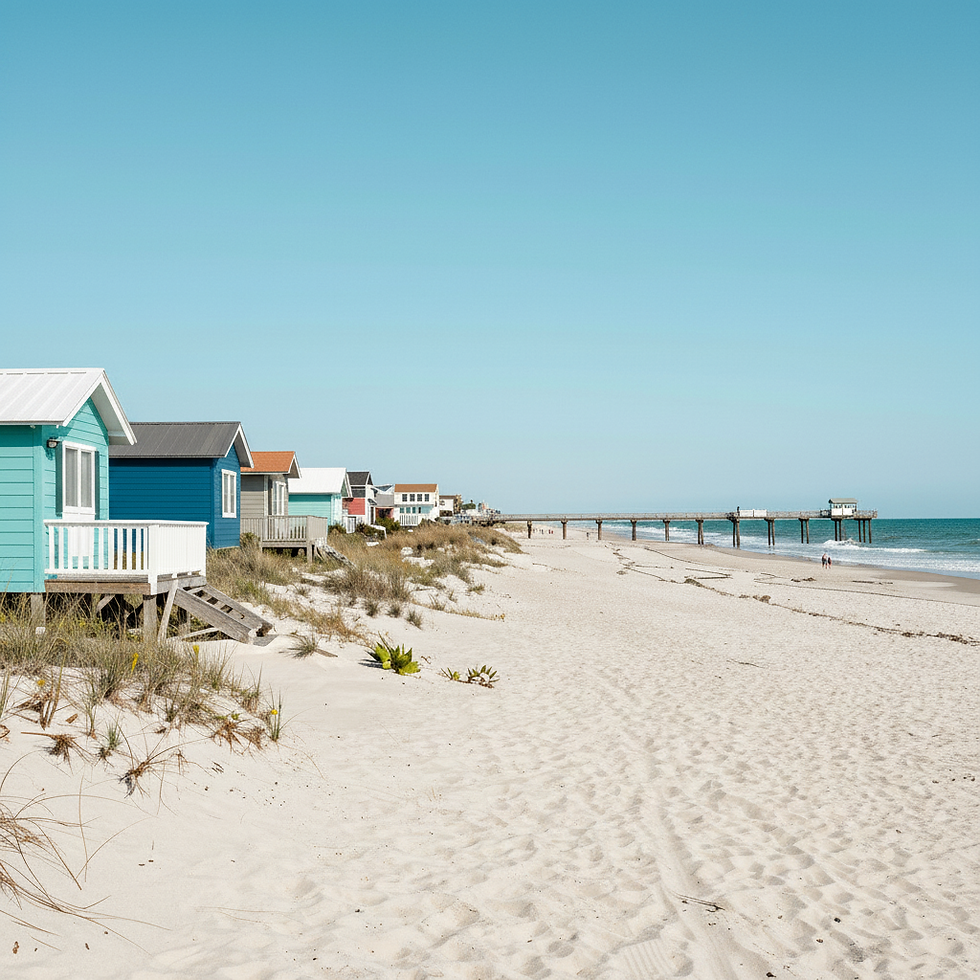
Folly Beach
Folly Beach developed from a largely natural barrier island into a popular coastal destination during the early twentieth century. Its surf culture, eclectic homes, fishing tradition, and independent personality earned it the nickname “The Edge of America.”
Center Street provides restaurants and small shops, while James Island supplies larger grocery, retail, and medical options. Folly appeals to buyers who value a casual, energetic beach environment rather than a conventional suburban rhythm.
Local wisdom: Separate the romance of visiting from the realities of owning. Investigate flood and wind coverage, rental regulations, beach access, parking, erosion and drainage, salt-air maintenance, piling or foundation condition, and evacuation logistics. Folly Road is the sole primary corridor and can become congested during peak periods.
Sullivan’s Island
Sullivan’s Island carries substantial maritime and military history. Fort Moultrie and the island’s harbor position connect it to the American Revolution, coastal defense, immigration, and Charleston’s broader history. It later developed as a small residential beach community.
The island offers a quiet coastal setting, a compact dining district, beaches, and quick access to Mount Pleasant shopping and medical services. Housing is limited and often distinctive.
Local wisdom: Island ownership is a specialized purchase. Evaluate wind and flood insurance, elevation, salt-air wear, roof and exterior materials, drainage, renovation and building limitations, tree rules, and emergency access. A beautiful older beach home can carry significant future maintenance even when it appears well cared for.
Local wisdom: Island ownership is specialized. Evaluate insurance, elevation, and structural history. Condominiums require review of the regime’s structural integrity.
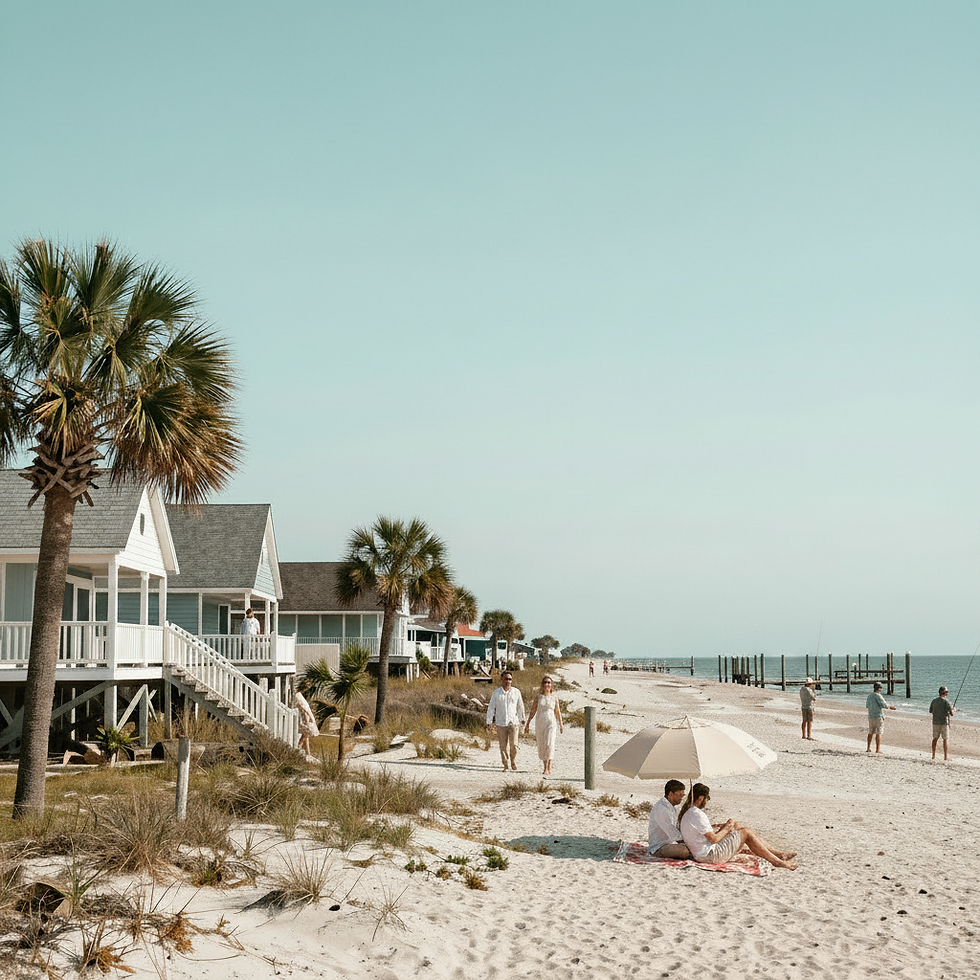
Kiawah & Seabrook Islands
Kiawah and Seabrook offer a world-class resort atmosphere defined by private gated communities, pristine beaches, and exceptional natural preservation. These islands provide a high-end coastal lifestyle with dedicated golf, tennis, and social amenities.
Homeowners value the privacy, security, and meticulously managed environment. Daily errands are supported by Freshfields Village, while more robust services are found on Johns Island or the Peninsula.
Local wisdom: Private island ownership carries unique financial and governance structures. Review community assessments, regime fees, rental restrictions, and environmental preservation rules carefully. Maintenance demands for high-exposure properties require consistent attention and specialized knowledge of coastal building materials.


Isle of Palms
Known earlier as Hunting Island and Long Island, Isle of Palms was first inhabited by the Sewee people and later developed into a beach destination and residential city. Its identity now blends year-round neighborhoods, vacation properties, resort amenities, marina access, and ocean recreation.
Residents use island businesses for daily needs and Mount Pleasant for broader shopping, schools, and medical care. Beach access, boating, golf, and outdoor living are central to the lifestyle.
Local wisdom: Review rental rules, HOA or regime requirements, insurance, flood elevation, dune and setback rules, salt exposure, parking, and seasonal traffic. Condominiums require a review of the regime’s budget, reserves, insurance, assessments, maintenance responsibilities, and structural history—not simply the unit interior.
Top-Tier Medical Care and Veteran Resources
Charleston is home to world-class medical facilities, including specialized care for veterans and their families. Explore the key institutions serving our community.

Medical University of South Carolina (MUSC)
Consistently ranked as the best hospital in South Carolina, MUSC provides comprehensive specialty care and cutting-edge research in downtown Charleston.
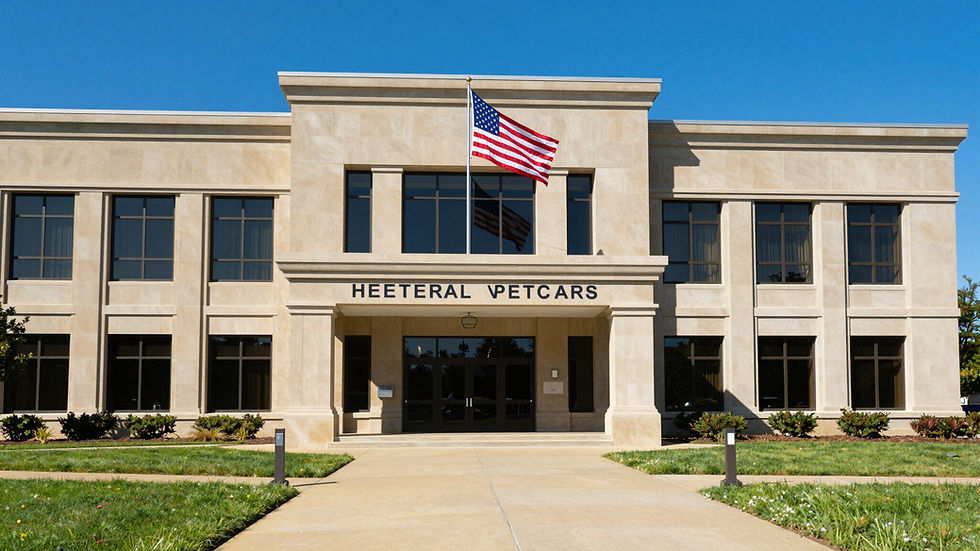
Ralph H. Johnson VA Medical Center
A 5-star rated facility dedicated to serving veterans across the coastal Lowcountry with specialized programs and support services.

Roper St. Francis Healthcare
Providing high-quality compassionate care through multiple hospitals and clinics across the Greater Charleston area since 1829.
The Charleston Homebuying Journey
Navigating the coastal market requires local precision. We guide you through every milestone, from initial search to closing day.

Market Analysis
I provide deep-dive analytics on Lowcountry neighborhoods to ensure your investment is sound and your lifestyle is prioritized.

Veteran Benefits
Specialized expertise in VA loans and military relocation cycles, helping you leverage the benefits you've earned with zero stress.

Closing Mastery
From inspections to final walk-throughs, we coordinate the details to ensure your path to homeownership is clear and smooth.
Shopping & Everyday Family Life
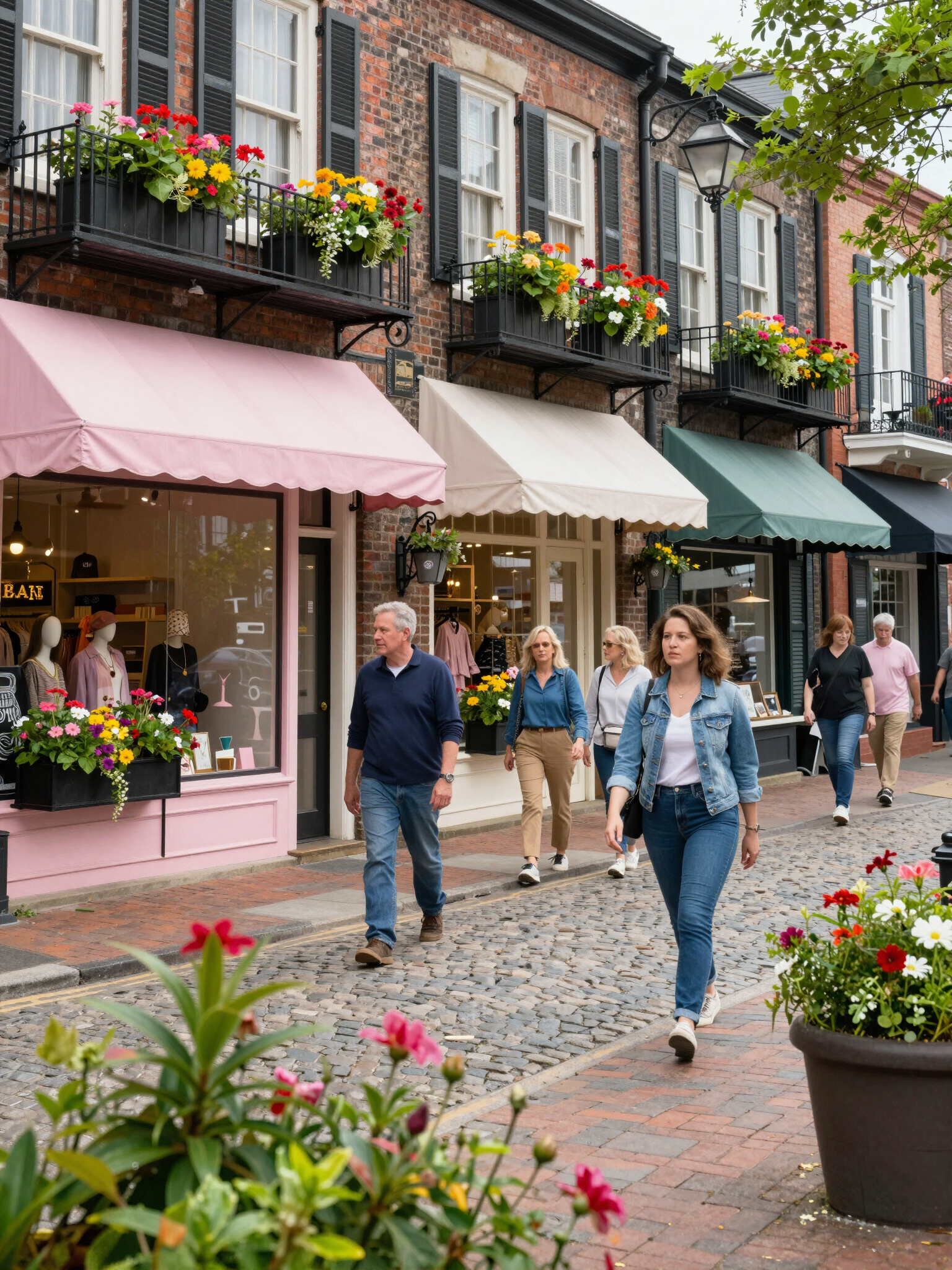
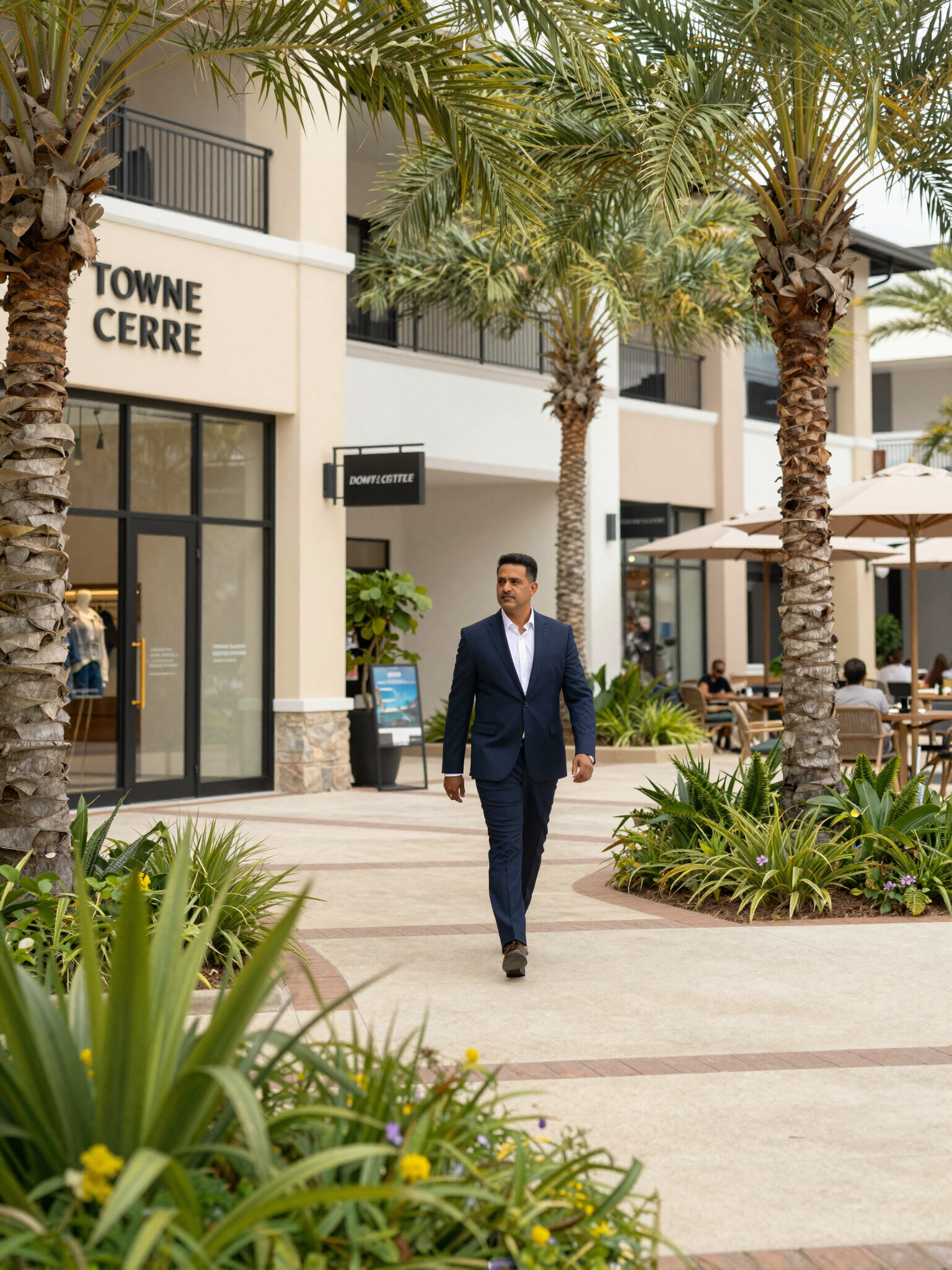
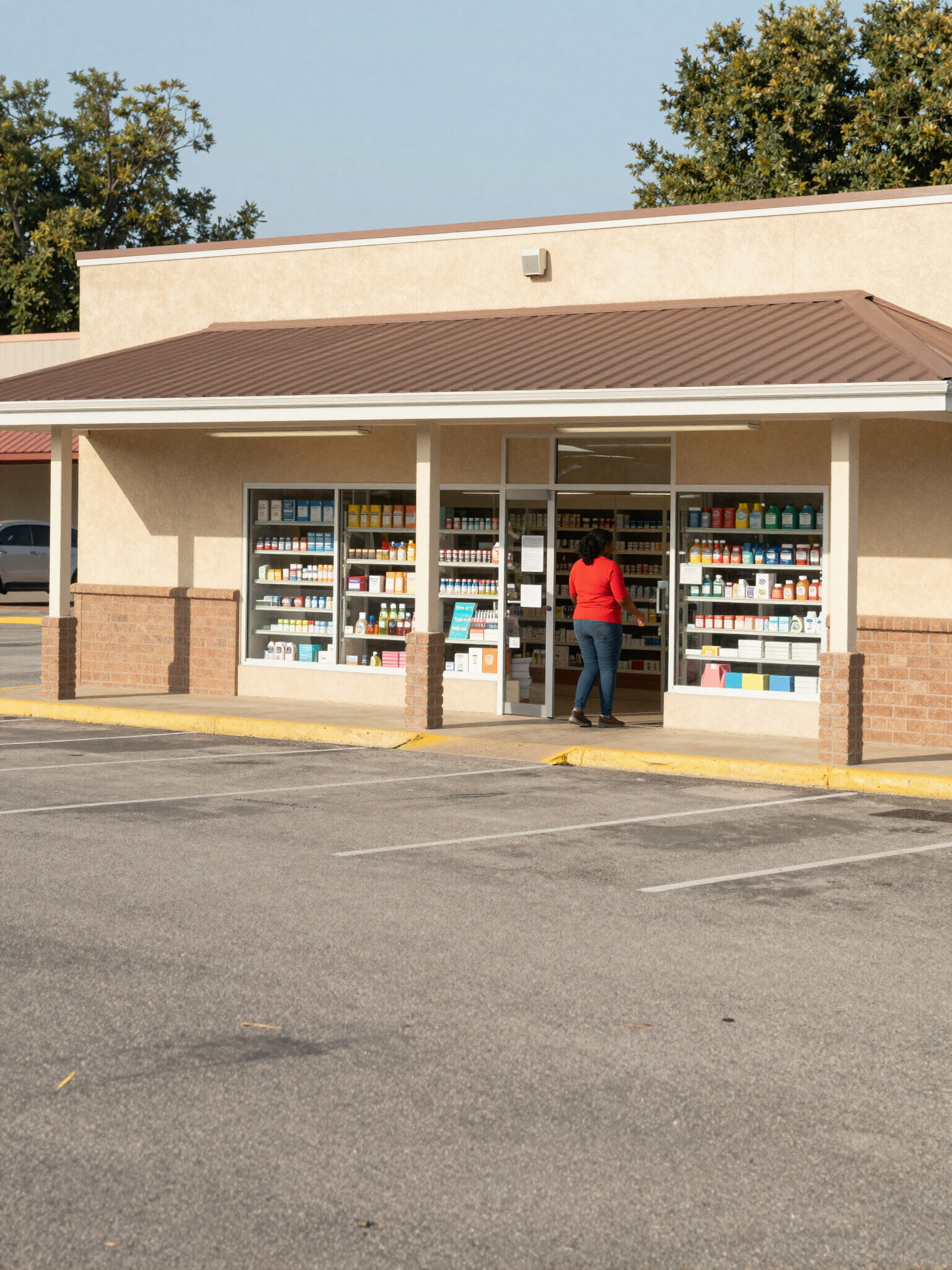
Charleston’s shopping patterns are regional. Your nearest grocery store may be close, while furniture, specialty retail, major home-improvement shopping, or certain services may be across a bridge or several communities away.














VA Loan Expertise
Navigating the benefits you've earned with expert guidance on VA home loans and Charleston-specific financing.
Military & Veteran Relocation Expert
As a veteran, I understand the unique challenges of a PCS move. My goal is to streamline your relocation to the Charleston area with specialized support and local expertise.

PCS Coordination
Dedicated support for your Permanent Change of Station, ensuring a smooth transition to Joint-Base Lindsey Graham or the Naval weapons Station.

Veteran Community
Connecting you with local veteran networks and neighborhoods that suit your lifestyle and service history.

Market Analysis
We provide deep-dive analytics on Lowcountry neighborhoods to ensure your investment is sound and your lifestyle is prioritized.
The Charleston Homebuying Journey
Navigating the coastal market requires local precision. We guide you through every milestone, from initial search to closing day.

Veteran Benefits
Specialized expertise in VA loans and military relocation cycles, helping you leverage the benefits you've earned with zero stress.

Closing Mastery
From inspections to final walk-throughs, we coordinate the details to ensure your path to homeownership is clear and smooth.
Frequently Asked Questions About Moving to Charleston
What is the best area of Charleston for families?
There is no single best area. The right fit depends on commute, budget, school criteria, home style, medical needs, desired land, water access, and tolerance for traffic or coastal maintenance. A responsible search compares communities against your family’s priorities rather than ranking them broadly.
How far is Summerville from downtown Charleston?
The practical answer depends on the exact starting point, destination, and time of day. The greater Summerville area is large, and Interstate 26 or alternate corridors can vary considerably. Test the drive during your expected commute window.
Is Mount Pleasant close to the beach?
Mount Pleasant provides convenient regional access to Sullivan’s Island and Isle of Palms, but travel time varies from the southern and northern parts of town. Highway 17 and beach traffic can affect the trip.
What should I know about Charleston schools before buying?
School assignments are address-specific and can change. Verify the assigned schools directly with the appropriate district, learn choice-program rules and deadlines, review transportation, and conduct your own school visits and evaluation.
Do I need flood insurance in Charleston?
Requirements depend on the property’s mapped flood zone, lender, elevation, and insurance circumstances. Even when flood insurance is not required, buyers should evaluate drainage, prior water history, nearby tidal influence, and the value of optional coverage.
What are the major hospitals in the Charleston area?
The region is served by MUSC Health, Roper St. Francis Healthcare, Trident Health, the Ralph H. Johnson VA Health Care System, and additional hospital, emergency, outpatient, and specialty facilities throughout the metro area.
Is Charleston a good place for military families?
Charleston has a substantial military and veteran community, Joint Base Charleston facilities, VA resources, and housing options across several commute corridors. The best location depends heavily on whether the duty station is the Air Base, Weapons Station, or another facility.
Can I buy a Charleston home remotely?
Yes. A careful remote process can include a planning consultation, live video tours, area and route videos, document review, independent inspections, repair verification, secure closing coordination, and a detailed final walkthrough.
Should I choose new construction or resale?
Both can be excellent options. New construction may offer incentives, warranties, and modern layouts; resale may offer established landscaping, stronger locations, larger lots, or mature neighborhoods. Compare total cost, contract protections, inspection rights, commute, HOA obligations, and future resale—not just the advertised price or interest rate.
Lowcountry Living
Coastal Culture & Southern Sophistication
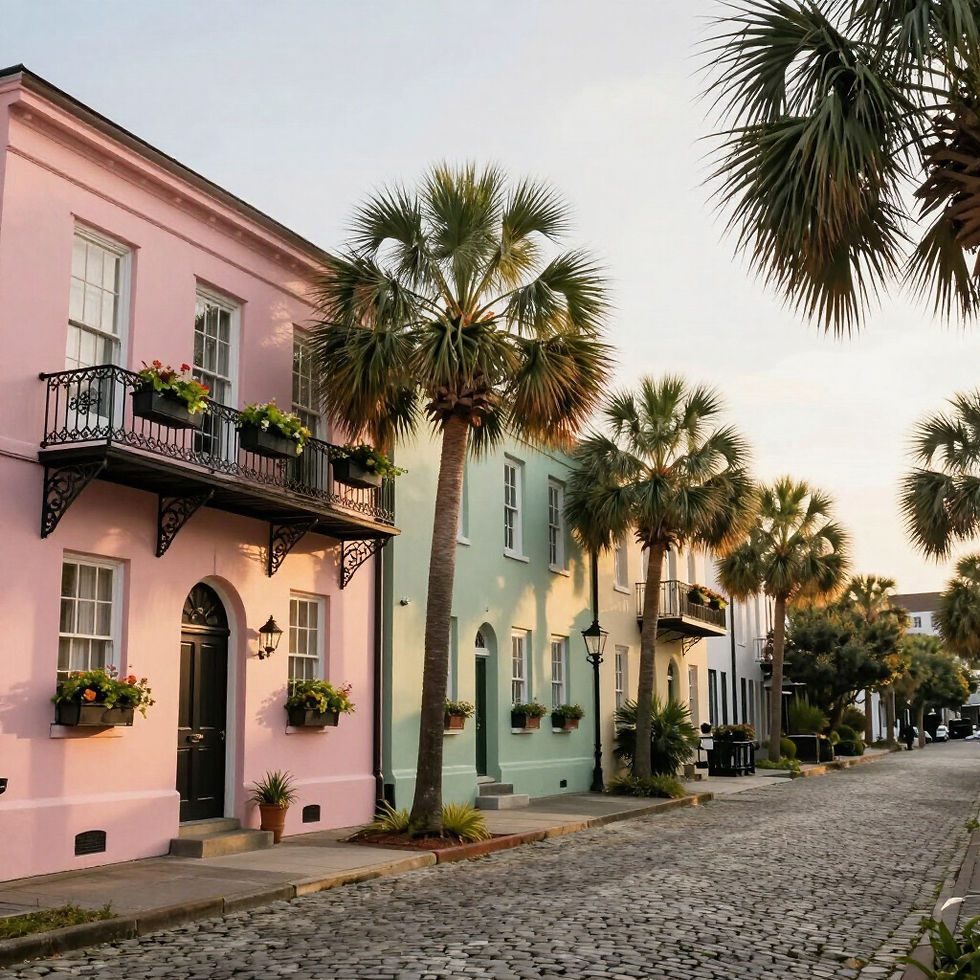
Charleston is more than a city; it’s an editorially curated experience of historic preservation, world-class culinary arts, and a profound respect for military service. From the cobblestones of the Peninsula to the salt marshes of the islands, every enclave offers a distinct rhythm of life designed for those who appreciate precision, heritage, and the sea.
350+
Years of History