VA Loans for First-Time Buyers No Down Payment Low Rates and Easy Steps

Buying a first home can feel out of reach when every calculator seems to start with a large down payment. For eligible service members, veterans, certain surviving spouses, and some members of the National Guard and Reserve, a VA loan can change that math in a meaningful way.
A VA loan is a mortgage backed by the U.S. Department of Veterans Affairs. The VA does not usually lend the money directly. Instead, approved lenders make the loan, and the VA guarantee helps reduce the lender’s risk. That backing can lead to major benefits for qualified buyers, including no down payment, competitive interest rates, and no private mortgage insurance.
This guide explains the basics in plain language so first-time buyers can understand what a VA loan offers, who may qualify, how the process works, and how to make the most of the benefit.
This article is for informational purposes only and is not financial or legal advice. Loan terms, eligibility, and costs can vary by borrower, lender, property, and current VA rules.
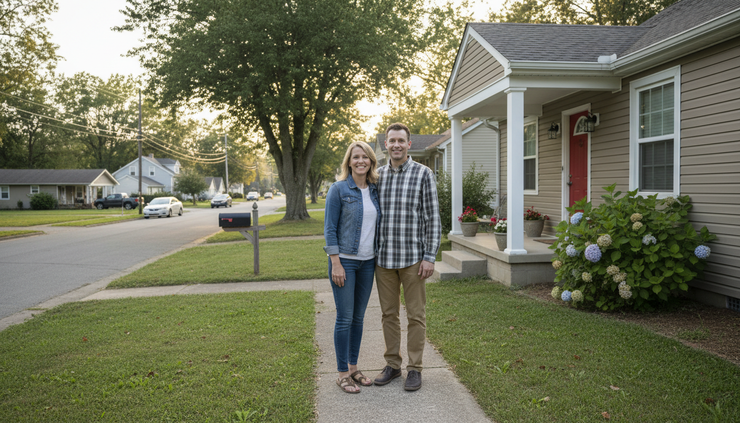
What a VA loan is and why it matters
A VA loan is designed to help eligible military-connected buyers purchase, build, or refinance a home. For first-time buyers, the biggest value is simple: it can reduce the cash needed upfront.
Many conventional loans require some type of down payment. If the down payment is less than 20 percent, private mortgage insurance, often called PMI, is usually required. FHA loans can be helpful for some buyers, but they include mortgage insurance costs as well.
VA loans work differently. In many cases, an eligible buyer can finance the full purchase price of a home without a down payment. VA loans also do not require PMI. That can help keep both upfront costs and monthly payments lower.
The home still needs to meet lender and VA requirements. The buyer still needs to qualify based on income, credit, and debt. The property must usually be a primary residence. Still, for many first-time buyers, the VA loan benefit can be one of the strongest mortgage options available.
The main benefits for first-time home buyers
VA loans are popular because the benefits solve some of the hardest parts of buying a first home. The program does not remove every cost or requirement, but it can make the path much easier.
Benefit | What it means for a first-time buyer |
No down payment in many cases | Qualified buyers may be able to buy without saving tens of thousands first |
Competitive interest rates | VA-backed loans often have strong rates compared with many other loan types |
No private mortgage insurance | Monthly payments may be lower because PMI is not required |
Flexible credit guidelines | Lenders still review credit, but VA loans may be more flexible than some conventional options |
Limits on certain closing costs | VA rules restrict some fees that can be charged to the buyer |
Reusable benefit | The VA loan benefit can often be used more than once if eligibility is restored or remaining entitlement is available |
No down payment can reduce the biggest barrier
Saving for a down payment is often the longest part of the first-time buying journey. A buyer may have steady income and good credit but still struggle to save enough cash while paying rent, utilities, child care, student loans, or other expenses.
With a VA loan, many eligible buyers can buy with zero down. That does not mean buying a home is free. Buyers may still need money for:
Earnest money
Home inspection
Appraisal-related costs
Closing costs
Moving expenses
Repairs or furnishings after closing
Emergency savings
A no-down-payment option simply means the buyer may not need to bring a percentage of the purchase price as a down payment. That can make a huge difference.
Competitive rates can help monthly affordability
Because the VA guarantees part of the loan, lenders may offer interest rates that are competitive with, and sometimes lower than, other mortgage types. The actual rate depends on the borrower’s credit profile, income, market conditions, loan type, and lender.
A lower interest rate can reduce the monthly payment and total interest paid over time. Even a small rate difference can matter because mortgage payments last for years.
First-time buyers should still compare offers. Not every VA lender prices loans the same way. A strong offer is not only about the rate. It also includes lender fees, closing costs, discount points, and service quality.
No PMI can keep payments lower
Private mortgage insurance protects the lender if a borrower defaults on a conventional loan with a smaller down payment. It does not protect the borrower, but the borrower pays for it.
VA loans do not require PMI. That is one of the most valuable features of the program. Without PMI, more of the monthly payment can go toward principal, interest, taxes, insurance, and any other required housing costs.
VA loans may include a VA funding fee, unless the borrower is exempt. This fee helps support the loan program. It can usually be paid at closing or rolled into the loan. Some borrowers, including many veterans with qualifying service-connected disabilities, may be exempt. A lender can help confirm whether the fee applies.

Who may be eligible for a VA loan
VA loan eligibility is based on military service, discharge status, and VA rules. In general, eligibility may apply to:
Veterans who meet service requirements
Active-duty service members who meet service requirements
Certain members of the National Guard
Certain members of the Reserve
Certain surviving spouses
The VA uses a document called a Certificate of Eligibility, or COE, to confirm that a borrower has VA loan entitlement. The COE does not approve the mortgage by itself. It simply shows the lender that the borrower may use the VA home loan benefit.
Basic borrower requirements still apply
Even with VA eligibility, the lender still reviews the full loan application. Common requirements include:
Stable and acceptable income
A credit history the lender can approve
A debt-to-income ratio the lender considers manageable
Money available for closing costs and reserves, if needed
Plans to occupy the home as a primary residence
The VA does not set a single minimum credit score for all VA loans, but lenders often have their own credit standards. That means one lender may say no while another may be able to work with the same borrower.
Property requirements also matter
VA loans are meant for safe, sound, and sanitary homes. The property must usually pass a VA appraisal, which looks at value and certain minimum property requirements.
The appraisal is not the same as a home inspection. An appraisal protects the lender and helps confirm value. A home inspection helps the buyer understand the condition of the home. First-time buyers should strongly consider getting an inspection even when it is not required.
VA loans can be used for many common residential property types, including single-family homes, VA-approved condos, and some multi-unit properties if the buyer will live in one of the units. Certain property types may have extra rules.
How the VA loan application process works
The process is similar to other mortgage applications, with a few VA-specific steps. A first-time buyer does not need to know every rule at the start. The key is to move in the right order.
1. Check eligibility and get the COE
The Certificate of Eligibility is the starting point. Many VA-approved lenders can request it electronically during preapproval. Buyers can also request it through the VA.
The COE shows the lender whether VA entitlement is available. If there has been a prior VA loan, the lender will also review whether full or partial entitlement remains.
2. Review income, credit, and monthly budget
Before shopping for homes, buyers should understand what payment feels comfortable. A lender may approve a certain loan amount, but that does not mean it is the right amount for the household budget.
A good budget includes more than principal and interest. It should account for:
Property taxes
Homeowners insurance
Utilities
Maintenance
HOA dues, if any
Commuting costs
Savings goals
Existing debt payments
The best home price is not always the highest approved price. A safe payment leaves room for real life.
3. Get preapproved with a VA-experienced lender
Preapproval gives a buyer a clearer price range and shows sellers that financing has been reviewed. For a VA loan, it helps to work with a lender that understands VA rules, funding fees, appraisals, and common seller questions.
During preapproval, the lender may review:
Pay stubs or leave and earnings statements
W-2s or tax returns
Bank statements
Photo ID
Credit history
COE
Information about current debts
A preapproval is stronger than a quick estimate. It gives the buyer and real estate agent more confidence when making an offer.

4. Work with an agent who understands VA offers
Some sellers and agents misunderstand VA loans. They may think VA financing is harder, slower, or less likely to close. A knowledgeable real estate agent can help explain the strength of the offer and structure it properly.
A strong VA offer often includes:
A clear preapproval letter
Reasonable timelines
Fair earnest money
A realistic price based on comparable sales
A plan for inspections and appraisal
VA buyers can still compete, especially when the offer is clean, well explained, and matched to the market.
5. Choose a home and sign a purchase agreement
Once the buyer finds the right home, the agent helps write the offer. After the seller accepts, the loan moves from preapproval into full processing.
The purchase agreement will include key dates, the agreed price, seller credits if any, inspection terms, and closing timeline.
6. Complete the VA appraisal and underwriting
The lender orders the VA appraisal. The appraiser reviews the property value and checks for VA minimum property requirements. If repairs are needed, the seller may need to complete them before closing, depending on the issue.
Underwriting is the lender’s full review of the loan file. The underwriter verifies income, assets, credit, property details, and VA requirements. The lender may ask for updated documents or explanations. That is normal.
7. Review closing numbers and sign
Before closing, the buyer receives a Closing Disclosure that lists the final loan terms and costs. First-time buyers should read it carefully and ask questions about anything that looks different from earlier estimates.
At closing, the buyer signs final documents, pays any required funds, and receives keys once the transaction is complete and recorded according to local rules.
Costs to expect even with no down payment
“No down payment” does not mean “no money needed.” A VA loan can reduce the biggest upfront cost, but buyers should prepare for other expenses.
Common costs may include:
Home inspection fee
Earnest money deposit
Appraisal fee
Credit report fee
Title and settlement costs
Prepaid taxes and insurance
Homeowners insurance premium
VA funding fee, if not exempt
Moving costs
Seller credits can sometimes help cover closing costs, depending on the loan structure, market conditions, and VA rules. Lender credits may also be an option, but they can come with a higher interest rate. The right choice depends on cash available and long-term plans.
Tips for getting the most from a VA loan
A VA loan is a strong benefit, but the best results come from careful planning. Small choices early in the process can affect the payment, approval, and total cost.
Compare more than one lender
Rates and fees can vary. Some lenders also handle VA loans more smoothly than others. Comparing at least a few VA loan estimates can help buyers see the full picture.
Look at:
Interest rate
Annual percentage rate
Discount points
Lender fees
Estimated cash to close
Monthly payment
Responsiveness
VA loan experience
The lowest rate is not always the best deal if the fees are high. Ask each lender to explain the tradeoffs in plain language.
Protect credit before closing
Credit matters during preapproval and again before closing. Large purchases, new credit cards, co-signed loans, and missed payments can create problems.
During the loan process, it is safer to avoid:
Opening new credit accounts
Financing furniture or a car
Making large unexplained deposits
Changing jobs without discussing it with the lender
Running up credit card balances
If a financial change is unavoidable, tell the lender early.
Keep cash reserves after buying
A no-down-payment loan can help preserve savings. That is a major benefit if the buyer keeps some cash on hand after closing.
Homeownership brings repairs and surprises. Even a well-maintained home may need a water heater, appliance repair, roof work, or plumbing fix sooner than expected. A small emergency fund makes the first year less stressful.
Get a home inspection
The VA appraisal is useful, but it is not a full inspection. A qualified home inspector can check systems and components in more detail, such as the roof, electrical, plumbing, HVAC, foundation, attic, and drainage.
Inspection results can help buyers negotiate repairs, plan future maintenance, or walk away if the home has serious problems allowed under the contract.
Understand the funding fee
The VA funding fee can affect the total loan balance. Buyers who are not exempt should ask the lender to show the cost both ways, paid upfront and financed into the loan.
Financing the fee reduces cash needed at closing, but it increases the loan amount. Paying it upfront costs more now, but may reduce interest paid over time. There is no single right answer for every buyer.
Use the benefit for the right home, not just any home
The VA loan benefit can make buying easier, but the home still needs to fit the buyer’s life. A smart purchase balances price, location, commute, condition, school needs, future plans, and monthly comfort.
A home that stretches the budget too far can create stress, even with a great loan program. The goal is stable homeownership, not just getting to closing.

Common myths about VA loans
VA loans are sometimes misunderstood. Clearing up the myths can help buyers make confident choices.
Myth one
VA loans take too long.
Many VA loans close on timelines similar to other loan types when the lender, agent, buyer, and seller communicate well. Delays can happen with any mortgage.
Myth two
VA loans are only for perfect credit.
Lenders review credit, but VA loans may offer more flexibility than some conventional options. Approval still depends on the full financial picture.
Myth three
VA buyers cannot compete in a hot market.
A strong preapproval, a realistic offer, and an agent who understands VA financing can make a VA offer competitive.
Myth four
The VA appraiser is looking for reasons to fail the home.
The appraiser checks value and basic property standards. The goal is to make sure the home is acceptable collateral and meets safety-related requirements.
A simple first-time buyer checklist
A clear plan can make the process feel less overwhelming. Here is a practical order to follow:
Confirm possible VA eligibility.
Gather income, asset, and service documents.
Request or have a lender retrieve the COE.
Review credit reports and correct errors if needed.
Build a monthly housing budget.
Compare VA-experienced lenders.
Get fully preapproved before touring homes.
Choose an agent familiar with VA offers.
Schedule a home inspection after the offer is accepted.
10. Review closing costs early and again before signing.
This checklist keeps the focus on decisions the buyer can control.
The takeaway for first-time buyers
VA loans can be one of the most helpful paths to first-time homeownership for eligible buyers. The biggest advantages are clear: no down payment in many cases, competitive interest rates, and no private mortgage insurance.
The process still requires preparation. Eligibility must be confirmed, the lender must approve the borrower, and the home must meet VA and lender standards. Yet with the right team and a realistic budget, the path is manageable.
Start with the basics: confirm eligibility, compare lenders, set a comfortable payment range, and ask questions at every step. A VA loan is more than a mortgage option. Used carefully, it can help turn earned benefits into a stable place to call home.


Comments