Summerville SC: History, Growth, and What Makes It a Great Place to Call Home

Summerville has a rare mix of old Lowcountry character and modern momentum. It is a town where historic homes sit near new neighborhoods, pine-shaded streets lead to busy shopping corridors, and longtime traditions still shape daily life.
Located northwest of Charleston, Summerville has grown from a quiet health retreat into one of the Lowcountry’s most talked-about relocation spots. Its appeal is easy to understand. The town offers more space than the Charleston peninsula, access to regional job centers, a strong sense of community, and a lifestyle built around parks, festivals, local restaurants, and front-porch living.
For people comparing places to live in coastal South Carolina, Summerville stands out because it is not just a suburb. It has its own history, its own downtown, and a clear identity.
Summerville began as a Lowcountry refuge
Summerville’s story reaches back to the late 1700s, when residents from Charleston and nearby plantations sought relief from the heat, humidity, and mosquito-borne illness common in the coastal lowlands. The area’s higher elevation and dense pine forests made it feel healthier and more comfortable during the summer months.
The town was first known as a seasonal retreat. Families built homes among the pines, and the community slowly developed around the idea of rest, health, and fresh air. Summerville was incorporated in 1847, giving formal shape to a settlement that had already built a reputation as a place apart from the coast.
That reputation grew stronger in the late 1800s. Summerville became known as a health resort, especially for people seeking relief from respiratory issues. The pine-scented air was a major part of the town’s identity, and local leaders took pride in protecting the tree canopy. That concern for trees remains part of Summerville’s character today.
One of the town’s most lasting nicknames, “Flowertown in the Pines,” comes from its spring blooms and its long relationship with azaleas, camellias, and pines. The name still fits, especially during festival season when gardens, public spaces, and historic streets show off the town’s softer side.
Key landmarks tell the town’s story
Summerville’s history is not locked away in a single museum. It is spread through its streets, parks, cemeteries, churches, and nearby historic sites.
Historic downtown Summerville
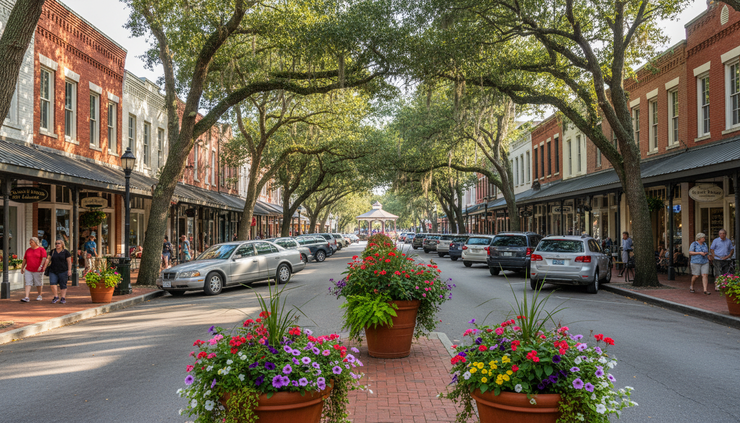
Downtown Summerville is the heart of the town. Centered around Hutchinson Square, it includes local shops, restaurants, civic spaces, and older buildings that give the area its walkable feel. It is not a preserved museum district. It is a working downtown, which is part of its appeal.
Residents use the area for dinner, coffee, festivals, errands, and casual weekend walks. Visitors often start here because downtown gives a quick sense of Summerville’s scale and pace.
Azalea Park and Sculpture Garden
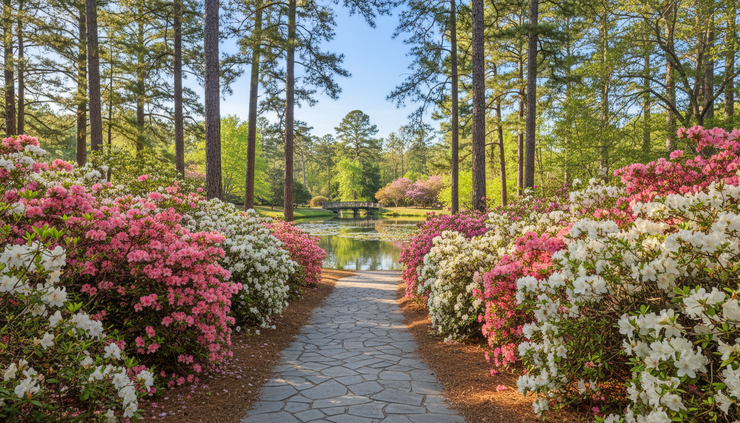
Azalea Park is one of Summerville’s signature public spaces. The park is known for walking paths, ponds, gardens, and public art. In spring, the flowers become a local event of their own.
The park also reflects something important about Summerville’s quality of life. Green space is not treated as an afterthought. Parks, shade, and outdoor gathering places play a central role in how the town sees itself.
Colonial Dorchester State Historic Site
Just outside modern Summerville, Colonial Dorchester State Historic Site preserves the remains of an early colonial settlement along the Ashley River. The tabby fort, church tower, cemetery, and archaeological remains connect the area to the 1600s and 1700s.
It gives a broader view of the region’s history, including trade, settlement, religion, defense, and daily life before Summerville became a town. For history-minded residents, it is one of the strongest reminders that the Lowcountry’s past runs deep.
Summerville Dorchester Museum
The Summerville Dorchester Museum helps tell the local story in a more focused way. Exhibits often highlight the town’s development, rail connections, resort history, local families, and civic life. It is a useful stop for anyone who wants to understand how Summerville grew from a summer refuge into a year-round community.
The town today is larger, more connected, and more diverse
Modern Summerville is no longer a small seasonal escape. It is a growing town spread across parts of Dorchester, Berkeley, and Charleston counties. That multijurisdictional footprint matters because growth, schools, roads, and services can vary by area.
The U.S. Census counted just over 50,000 residents in Summerville in 2020, up from about 43,000 in 2010. Estimates since then suggest continued growth, though exact counts shift as new homes are completed and town boundaries change.
The broader Summerville area feels even larger than the town population alone. Many communities with a Summerville mailing address sit outside town limits, which can make the area’s real size and housing market feel bigger than official town numbers suggest.
Demographically, Summerville has become more varied over time. The town includes:
Longtime Lowcountry families with deep local roots
Military households connected to Joint Base Charleston
Families drawn by schools, space, and suburban convenience
Retirees seeking a milder climate and a slower pace than larger cities
Remote and hybrid workers who want access to Charleston without living downtown
New residents from other parts of South Carolina, the Northeast, the Midwest, and beyond
Summerville remains largely residential in feel, but it has become more economically and culturally connected to the wider Charleston metro area. That connection has helped fuel growth while also creating new pressure on roads, infrastructure, and housing.
Growth over the past decade has reshaped daily life
Summerville’s growth did not happen by chance. Several major forces have pushed more residents toward the town over the past decade.
Charleston’s growth pushed demand outward
Charleston’s economy, tourism appeal, medical sector, port activity, and tech-related growth have raised demand across the region. As housing costs climbed closer to downtown Charleston and coastal communities, many buyers looked inland.
Summerville offered a compelling mix: more square footage, established neighborhoods, new construction, and a town center with local character. For many households, that made the area feel like a practical alternative rather than a compromise.
Job centers expanded nearby
Summerville benefits from its position near major employment corridors. The broader region includes aerospace, logistics, manufacturing, health care, education, hospitality, and military-related employment.
Large employers in the Charleston metro area have affected housing demand throughout Dorchester and Berkeley counties. Commuting patterns vary by neighborhood, but Summerville’s access to I-26 and nearby routes makes it part of the regional labor market.
New housing met demand from relocating residents
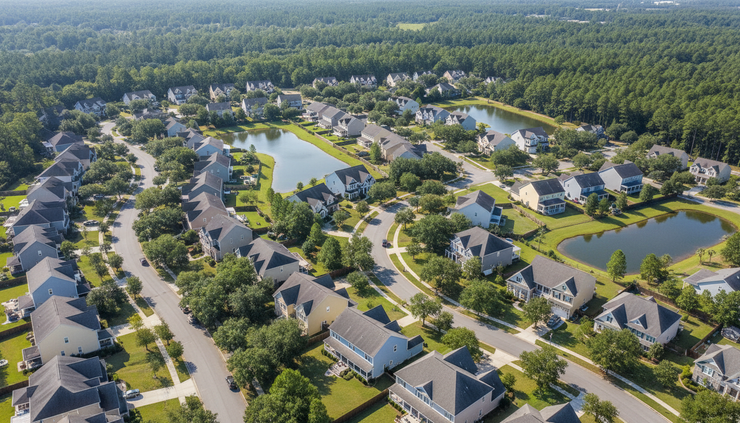
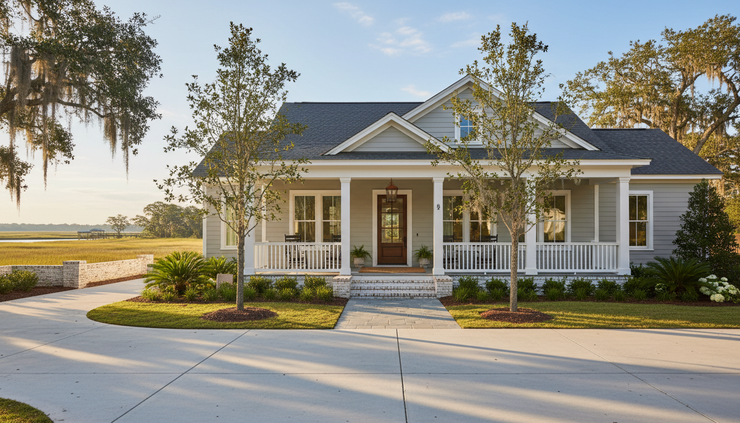
Over the past decade, new subdivisions and master-planned communities have expanded the inventory of Summerville Homes. Buyers can find historic properties near downtown, established brick ranches, townhomes, newer single-family homes, and larger planned communities with pools, trails, and neighborhood events.
This range has helped attract different types of residents. Some want a quiet street near downtown. Others prefer a newer home with modern floor plans and community amenities. The variety gives Summerville a broader appeal than towns with only one dominant housing style.
Lifestyle mattered as much as price
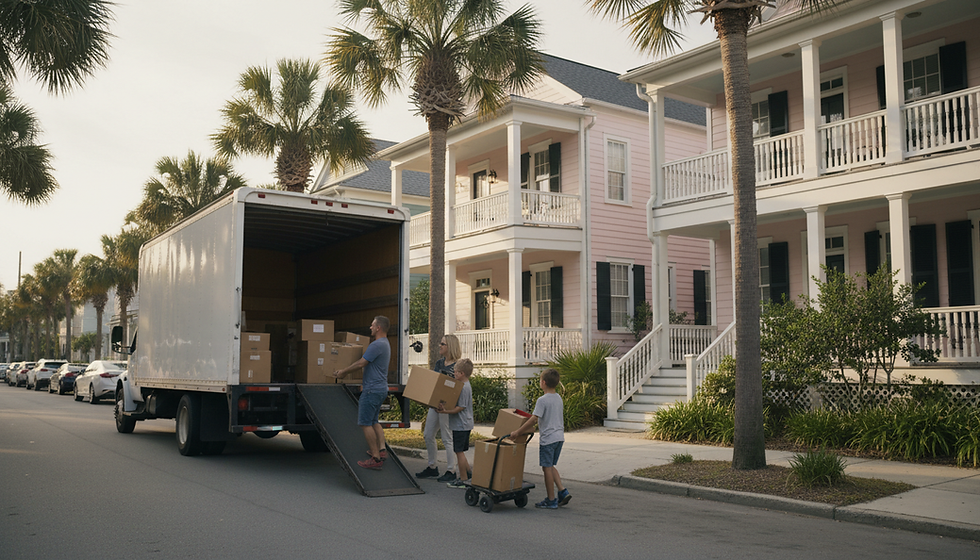
Cost and commute are major relocation factors, but lifestyle often closes the deal. Summerville offers a balance many people want: close enough to Charleston for dining, work, beaches, and culture, but far enough away to feel more relaxed.
That balance has real value. A typical weekend might include a youth sports game, a walk through Azalea Park, lunch downtown, a run to a local farmers market, or a short drive to Charleston for an evening out.
Amenities give Summerville its everyday appeal
Summerville’s growth has brought more stores, restaurants, health care access, schools, and recreation options. While traffic can be a concern during peak times, daily convenience has improved as the area has expanded.
Parks and outdoor spaces
Outdoor living is a major part of Summerville’s appeal. Azalea Park is the best-known public green space, but the area also has neighborhood parks, trails, sports fields, and access to nearby rivers and nature areas.
The climate supports outdoor activity for much of the year. Summers are hot and humid, but mild winters make walking, gardening, golf, and youth sports easier to enjoy year-round.
Schools and family-focused services
Education is one of the major drivers for relocation. Summerville is served by school districts that vary depending on location, including Dorchester District Two in many areas. School zoning is a key detail for families, so buyers often compare neighborhoods carefully before choosing where to live.
Beyond schools, the town has libraries, recreation programs, youth sports, churches, medical offices, and child-focused activities that make it practical for day-to-day family life.
Shopping, dining, and local business
Summerville has a strong mix of national retailers and small local businesses. Major corridors provide grocery stores, home improvement stores, medical services, and chain restaurants. Downtown offers a more local experience, with independent shops, cafes, bakeries, and restaurants.
The dining scene has grown along with the population. It includes Lowcountry staples, barbecue, Southern comfort food, coffee shops, casual family spots, and newer chef-driven concepts. The town still feels approachable, but it no longer feels limited.
Local culture is rooted in festivals, flowers, and sweet tea
Summerville’s culture blends old traditions with new energy. The most famous event is the Flowertown Festival, one of the town’s signature annual gatherings. It brings arts, crafts, food, flowers, and visitors into the downtown area each spring.
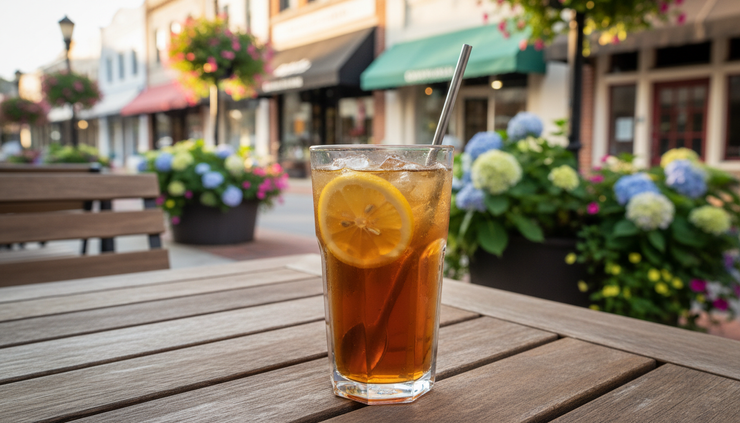
Sweet tea also plays a role in Summerville’s identity. The town promotes its claim as the birthplace of sweet tea, and that playful pride shows up in local events and public art. It is the kind of local marker that gives a town personality.
Community life often centers on simple routines rather than major attractions. Porch conversations, school events, park walks, church gatherings, local markets, and downtown festivals all help shape the town’s rhythm.
There is also a strong preservation streak. Residents often care about tree protection, historic buildings, and the look and feel of downtown. Growth has created debate, especially around traffic and development density, but that debate shows how much people value the town’s character.
What relocation buyers should know before moving
Summerville has many strengths, but it is still wise to look closely at location, commute, and neighborhood fit.
The town and surrounding area cover a wide geography. A home with a Summerville address may feel close to downtown, close to Nexton, closer to Ladson, or more rural depending on the exact location. Commute times can change sharply based on route, school traffic, and I-26 conditions.
Before choosing an area, it helps to compare:
Distance to work or frequent destinations
School attendance zones
Town limits versus unincorporated county areas
Flood risk and drainage conditions
HOA rules and neighborhood amenities
Access to parks, shopping, and medical care
Traffic patterns during morning and evening hours
The Real estate market can also vary widely by neighborhood type. Historic homes near downtown offer charm and walkability, but may require more maintenance. Newer communities may offer pools, trails, and modern layouts, but can come with HOA fees and longer drives to downtown Summerville.
Summerville’s biggest strength is balance
Summerville is attractive because it offers balance. It has history without feeling frozen in time. It has growth without losing every trace of small-town identity. It gives residents access to Charleston while still offering its own downtown, festivals, parks, and local traditions.
The town’s past as a pine-filled retreat still shapes its present. People continue to come for comfort, space, and quality of life, even if the reasons now include schools, jobs, housing options, and regional access.
For anyone considering a move to the Charleston area, Summerville deserves a close look. Walk downtown, visit Azalea Park, compare neighborhoods, and spend time on the roads during real commute hours. The right fit will depend on lifestyle and location, but the town’s appeal is clear: Summerville has grown because it gives people a place to settle, connect, and feel at home.
Comments