How to Navigate the VA Home Loan Process

Navigating the VA home loan process can feel overwhelming, especially for first-time homebuyers. The VA loan program, designed to help veterans and active-duty service members secure affordable housing, offers unique benefits that can make homeownership more accessible. Understanding the steps involved in this process is crucial for maximizing these benefits and ensuring a smooth experience.
In this guide, we will break down the VA home loan process into manageable steps, providing you with the information you need to confidently move forward.

Understanding VA Home Loans
What is a VA Home Loan?
A VA home loan is a mortgage option backed by the U.S. Department of Veterans Affairs. It is designed to help veterans, active-duty service members, and certain members of the National Guard and Reserves purchase homes without the need for a down payment or private mortgage insurance (PMI).
Benefits of VA Home Loans
No Down Payment: One of the most significant advantages is the ability to purchase a home without a down payment, making it easier for veterans to enter the housing market.
Competitive Interest Rates: VA loans often come with lower interest rates compared to conventional loans, which can save you money over the life of the loan.
No PMI: Unlike conventional loans, VA loans do not require private mortgage insurance, reducing your monthly payments.
Flexible Credit Requirements: VA loans typically have more lenient credit score requirements, making them accessible to a broader range of borrowers.
Eligibility Requirements
Before diving into the application process, it's essential to determine if you are eligible for a VA home loan. The basic eligibility criteria include:
Service Requirements: You must have served in the active military, naval, or air service and have been discharged under conditions other than dishonorable. Specific service duration requirements may apply.
Certificate of Eligibility (COE): To access VA loan benefits, you need a COE, which verifies your eligibility. You can obtain this through the VA's website or by working with a lender.
Steps to Navigate the VA Home Loan Process
Step 1: Obtain Your Certificate of Eligibility (COE)
The first step in the VA home loan process is obtaining your COE. This document confirms your eligibility and is required by lenders to process your loan application. You can apply for your COE online through the VA's eBenefits portal, by mail, or through your lender.
Step 2: Choose a Lender
Not all lenders offer VA loans, so it's crucial to find one that specializes in this type of financing. Look for lenders with experience in VA loans, as they will be familiar with the specific requirements and processes involved.
When selecting a lender, consider the following:
Interest Rates: Compare rates from multiple lenders to find the best deal.
Fees: Inquire about closing costs and any additional fees associated with the loan.
Customer Service: Read reviews and ask for recommendations to ensure you choose a lender who provides excellent support throughout the process.
Step 3: Pre-Qualify for Your Loan
Once you've chosen a lender, the next step is to get pre-qualified for your VA loan. This process involves providing your lender with financial information, including your income, debts, and credit history.
Pre-qualification gives you an estimate of how much you can borrow and helps you understand your budget when searching for a home.
Step 4: Find Your Home
With your pre-qualification in hand, you can start house hunting. Keep in mind the following tips:
Work with a Real Estate Agent: Consider partnering with a real estate agent who has experience working with VA buyers. They can help you navigate the market and find homes that meet your needs.
Look for VA-Approved Properties: While you can use a VA loan to purchase most properties, some lenders may have specific requirements. Ensure the property you choose meets VA guidelines.
Step 5: Make an Offer
Once you've found a home you love, it's time to make an offer. Your real estate agent can help you draft a competitive offer that takes into account the current market conditions.
Step 6: Complete the Loan Application
After your offer is accepted, you will need to complete the formal loan application process. This typically involves:
Submitting Documentation: Provide your lender with necessary documents, including your COE, income verification, and any other required paperwork.
Loan Processing: Your lender will review your application, verify your information, and order an appraisal of the property.
Step 7: Undergo the Appraisal Process
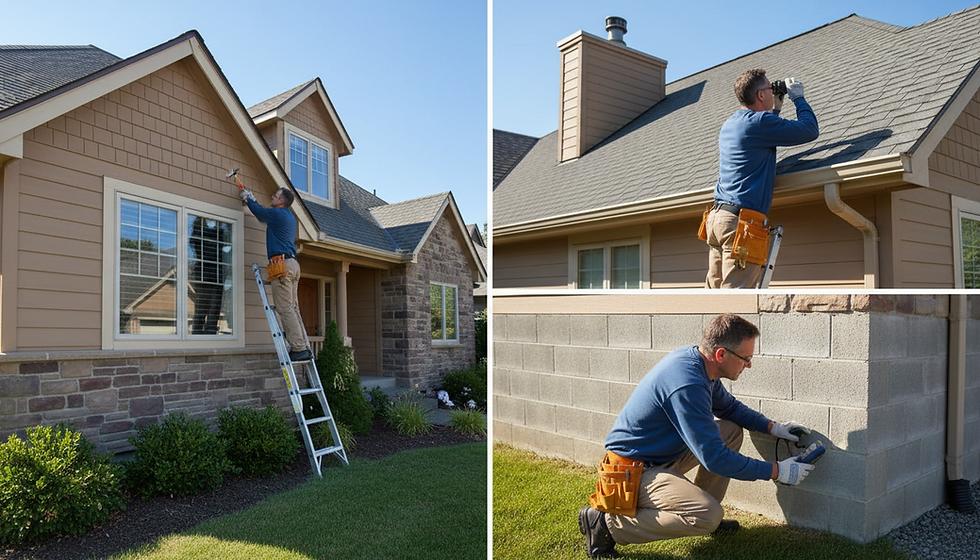
The VA requires an appraisal to ensure the property meets its minimum property requirements and is worth the purchase price. The appraisal process typically takes a few weeks.
Step 8: Closing the Loan
Once your loan is approved and the appraisal is complete, you will move to the closing phase. During closing, you will sign the final paperwork, pay any closing costs, and officially take ownership of your new home.
Common Challenges and How to Overcome Them
Understanding the Appraisal Process
One common challenge in the VA home loan process is navigating the appraisal. VA appraisals can be more stringent than conventional appraisals, which may lead to issues if the property does not meet the required standards.
To overcome this challenge, ensure that your real estate agent is familiar with VA requirements and can help you identify properties that are likely to pass the appraisal process.
Dealing with Closing Costs
While VA loans do not require a down payment, closing costs can still be a significant expense. It's essential to budget for these costs and discuss them with your lender upfront.
You may also negotiate with the seller to cover some of the closing costs, which can help ease the financial burden.
Tips for a Smooth VA Loan Process
Stay Organized: Keep all your documents organized and easily accessible to streamline the application process.
Communicate with Your Lender: Maintain open communication with your lender throughout the process to address any questions or concerns promptly.
Be Patient: The VA loan process can take longer than conventional loans due to additional requirements. Patience is key.
Conclusion
Navigating the VA home loan process may seem daunting, but with the right information and preparation, you can successfully secure a home loan that meets your needs. By understanding the steps involved and being proactive in your approach, you can take full advantage of the benefits offered by the VA loan program.
Remember, the journey to homeownership is a significant milestone, and with careful planning, you can achieve your goal of owning a home. Start by obtaining your Certificate of Eligibility and choosing a lender who understands the VA loan process. From there, take your time to find the perfect home and enjoy the benefits of being a homeowner.


Comments