Charleston, SC VA Guide: Home Buying and Renovation Benefits for Disabled Veterans

Buying or adapting a home can feel like a maze, especially when disability access, medical needs, flood zones, inspections, and VA paperwork all meet in one place. In Charleston, that maze can include historic homes, elevated houses, older electrical systems, narrow doorways, hurricane-related repairs, and accessibility upgrades that are not always simple or cheap.
The good news is that several VA programs can help eligible Veterans and service members buy, repair, renovate, or adapt a home. Some benefits help with financing. Others help pay for accessibility changes tied to a service-connected disability or medical need.
This guide walks through the major VA home buying and renovation benefits, the types of work that may be covered, the forms to know, and a practical timeline for starting the process in the Charleston, South Carolina area.
This article is for general information only. VA rules, eligibility, grant limits, and lender requirements can change, so always confirm details with the U.S. Department of Veterans Affairs, a VA-approved lender, or a qualified housing professional.
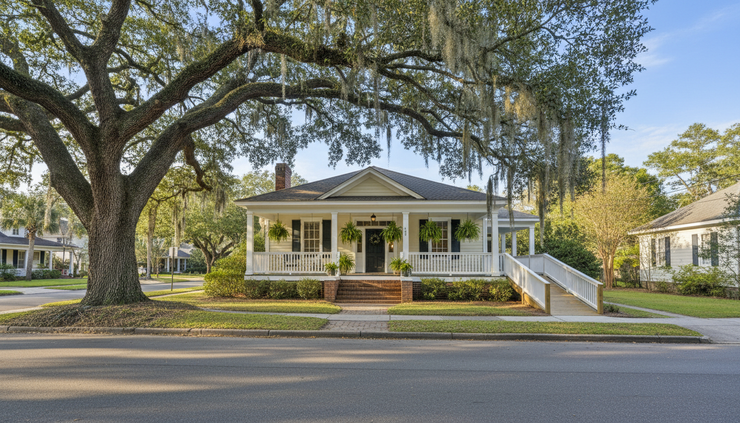
Overview of VA benefits available for home buying and renovations
VA housing benefits usually fall into three broad categories.
VA-backed home loans
VA grants for adapted housing
VA health-related home improvement benefits
Each program has a different purpose. A VA-backed loan can help with buying or refinancing a home. Adapted housing grants can help eligible Veterans with certain service-connected disabilities build, buy, or modify a home. Health-related home improvement benefits may help with medically necessary changes.
In Charleston, these programs can be especially helpful because the housing stock varies widely. A home in West Ashley may have different renovation needs than a property on James Island, Johns Island, Mount Pleasant, North Charleston, or downtown near a historic district. Older homes may need doorway widening, bathroom updates, HVAC work, or safer entrances. Coastal homes may also raise questions about flood insurance, crawl spaces, elevation, and storm damage repairs.
VA-backed purchase loans
The VA home loan program helps eligible Veterans, service members, and surviving spouses buy a primary residence through private lenders. The VA does not usually lend the money directly. Instead, it guarantees part of the loan, which can make lenders more comfortable offering favorable terms.
Common advantages may include:
No down payment in many cases
No monthly private mortgage insurance
Competitive interest rates
Limits on certain closing costs
The ability to reuse the benefit after selling or paying off a prior VA loan
The VA Loan Benefit can be used only for a home that meets VA and lender standards. The property must generally be safe, sound, and sanitary. That matters in Charleston because older roofs, moisture damage, wood rot, termite issues, and unsafe stairs may come up during inspections or appraisal.
Start with the VA’s home loan page at VA housing assistance.
VA renovation and repair financing options
VA-backed financing can sometimes support repairs or improvements, but the details depend on the lender and the loan type. Some VA-approved lenders offer VA renovation loans, often called VA rehab or renovation loans, that combine purchase funds and approved repairs into one loan.
These loans are not offered by every lender. They also involve extra review because the lender must confirm the contractor, repair scope, timeline, and final property condition.
A VA cash-out refinance may also help an eligible homeowner access equity for renovations. This can be useful for accessibility improvements, major repairs, or updates, but it increases debt and should be reviewed carefully.
Specially Adapted Housing grants
The VA offers adapted housing grants for certain Veterans and service members with qualifying service-connected disabilities.
The two main programs are:
Specially Adapted Housing grant
Special Home Adaptation grant
These grants may help with building, buying, or modifying a home to improve independence and daily mobility. The VA updates grant limits over time, so check current amounts directly on VA.gov.
Learn more at VA disability housing grants.
Temporary Residence Adaptation grants
A Temporary Residence Adaptation grant may help eligible Veterans adapt a family member’s home where they are living temporarily. This can matter after a hospital stay, during recovery, or while planning a permanent move.
For example, a Veteran living temporarily with relatives in the Charleston area may need an accessible entrance or bathroom modifications while deciding whether to buy a permanent home nearby.
HISA benefits for medically necessary home improvements
The Home Improvements and Structural Alterations program, often called HISA, is managed through VA health care. It can help pay for medically necessary improvements to a Veteran’s home.
HISA is different from adapted housing grants. It is tied to medical need and VA health care processes. It may apply to both service-connected and non-service-connected conditions, but benefit amounts and eligibility can differ.
You can review VA information at the VA Prosthetic and Sensory Aids Service HISA page.
Types of repairs and renovations that may be covered
The type of work that may qualify depends on the benefit being used. A repair covered under a renovation loan may not qualify for an adapted housing grant. A medical modification covered through HISA may not be eligible as a general home improvement.
Think of the programs this way:
Program | Main purpose | Common project examples |
VA-backed purchase loan | Buy a primary residence | Purchase of an existing home, condo, or new construction that meets VA standards |
VA renovation loan | Buy or refinance plus approved repairs | Roof repair, HVAC updates, flooring replacement, safety repairs, accessibility work if lender allows |
SAH or SHA grant | Adapt housing for qualifying service-connected disabilities | Ramps, widened doorways, roll-in showers, accessible kitchens, lower counters, adapted entrances |
TRA grant | Adapt a temporary family residence | Temporary ramp, bathroom changes, access modifications |
HISA benefit | Medically necessary home alterations | Entry ramps, bathroom access, handrails, doorway changes, plumbing or electrical work needed for medical equipment |

Accessibility improvements
For disabled Veterans, accessibility renovations are often the most important upgrades. These may include:
Exterior ramps or no-step entrances
Wider doorways and hallways
Roll-in or walk-in showers
Lower bathroom sinks and kitchen counters
Accessible switches, outlets, and controls
Grab bars and handrails
Slip-resistant flooring
Exterior paths from driveway to entry
Stair lifts or platform lifts where appropriate
In Charleston, accessibility planning often has to account for raised homes and flood-related elevation. A ramp for an elevated home may need more space than expected. Some homes may need a platform lift instead of a long ramp, depending on the height and lot layout.
Safety and habitability repairs
VA-related financing may also involve repairs needed to make a home safe and livable. Examples may include:
Roof repairs
Heating and cooling systems
Electrical safety updates
Plumbing repairs
Moisture or drainage corrections
Termite or wood-destroying insect repairs
Broken windows or unsafe doors
Damaged flooring
Structural issues that affect safety
Charleston buyers should pay close attention to moisture, drainage, crawl space conditions, and termite history. These are common concerns in the Lowcountry and can affect both repair costs and VA appraisal results.
Medical-use modifications
HISA-related improvements must usually connect to a medical need. These may include changes that allow access to essential areas of the home or support required medical equipment.
Examples may include:
Bathroom modifications for safe bathing
Entrance ramps
Handrails
Doorway widening
Electrical work needed for medical equipment
Plumbing work tied to medically necessary access
Cosmetic upgrades normally do not qualify. Replacing cabinets only for style would not fit the purpose of the program. Lowering cabinets for wheelchair access may be different if it supports a qualifying need.
Renovations that are usually more difficult
Some projects may be harder to finance or approve through VA-related programs. These can include:
Luxury upgrades
Outdoor kitchens or pools
Detached structures not tied to accessibility or habitability
Major additions without a clear eligible purpose
Historic renovation work done only for appearance
Repairs started before approval, depending on the program
In downtown Charleston or another historic area, exterior changes may also require local review. That can affect timing. Always check city, county, homeowners association, and floodplain requirements before signing a contract.
Step-by-step process for applying for these benefits
The right process depends on the benefit. Still, most Veterans can use the following order to avoid wasted time.
1. Confirm eligibility and gather basic records
Start by collecting:
DD214 or qualifying service records
VA disability rating decision, if applicable
Current VA health care information, if applying for HISA
Income and asset records for a home loan
Current mortgage statement, if refinancing
Contractor estimates, if renovations are involved
For a VA-backed home loan, request a Certificate of Eligibility. The COE tells the lender that the VA has confirmed your basic home loan eligibility.
Use the VA guide to getting a Certificate of Eligibility or review VA Form 26-1880.
2. Decide which benefit fits the goal
A purchase, renovation, and accessibility project may involve more than one program.
For example:
Buying a Charleston-area home with no major repairs may involve a VA-backed purchase loan.
Buying a home that needs work may require a lender that offers VA renovation financing.
Modifying a home for a qualifying service-connected disability may involve SAH or SHA.
Adding a medically needed ramp may involve HISA through VA health care.
A VA-approved lender can help with loan options. A VA regional office or VA.gov can help with adapted housing grants. A VA health care provider can help with medically necessary home alterations.
3. Talk with a VA-approved lender early
If buying or refinancing, speak with a VA-approved lender before touring homes seriously. Ask direct questions:
Do you offer VA renovation loans?
Can accessibility modifications be included?
How do contractor bids need to be written?
What repairs must be completed before closing?
How do you handle escrowed repairs, if allowed?
What Charleston-area property issues commonly delay VA approval?
Not every lender handles renovation loans. Calling early can save weeks.
4. Apply for adapted housing benefits if eligible
Veterans seeking SAH or SHA benefits can apply online or by mail. The key form is VA Form 26-4555, Application in Acquiring Specially Adapted Housing or Special Home Adaptation Grant.
The VA’s application page is available at how to apply for a disability housing grant.
The VA may review disability eligibility, housing plans, and proposed adaptations. Do not assume a project is covered until the VA confirms it.
5. Work with medical providers for HISA
For HISA, contact your VA health care team. A medical provider generally needs to support the request and connect the improvement to a medical need.
The key form is VA Form 10-0103, Veterans Application for Assistance in Acquiring Home Improvements and Structural Alterations.
You may need:
A medical prescription or clinical justification
A written project description
Contractor estimates
Photos or measurements
Proof of ownership or permission from the property owner
If the home is rented, landlord permission may be required.

6. Get detailed contractor estimates
VA-related repair and renovation work needs clear documentation. A vague estimate can slow everything down.
Ask contractors to include:
Project address
Scope of work
Materials
Labor
Permit needs
Timeline
Total cost
Contractor license and insurance information, if applicable
For Charleston-area homes, ask whether the contractor has experience with flood zones, raised structures, historic review, and local permitting.
7. Wait for written approval before starting covered work
This is a key point. Starting work too soon can create problems for grants or reimbursement-based benefits.
Before beginning, confirm:
The benefit is approved
The scope of work is approved
The contractor is acceptable to the lender or VA program
Permits are ready if needed
Payment and inspection steps are clear
Get approvals in writing and keep copies.
Important forms and VA links for easy access
Here are the main VA resources to bookmark.
Need | Resource |
VA home loan overview | |
Certificate of Eligibility information | |
COE application form | |
Disability housing grants overview | |
SAH or SHA grant application | |
How to apply for disability housing grants | |
HISA program information | |
HISA application form | |
Find VA forms |
For local support, Charleston-area Veterans can also contact VA health care staff, a VA-approved lender, or a Veterans Service Officer. A VSO can help with VA paperwork and benefit questions.
Timeline for Charleston home buying and renovation benefits
The best time to start is earlier than most people think. Repairs, grants, inspections, appraisals, contractor schedules, and permits can all add time.
Three to six months before buying or renovating
Start here if you can.
Request your Certificate of Eligibility.
Review your VA disability rating, if applying for adapted housing.
Talk with your VA health care provider if requesting HISA.
Create a list of accessibility needs.
Research Charleston-area neighborhoods and property types.
Ask lenders whether they handle VA renovation financing.
Begin collecting contractor names.
If you are considering an older Charleston home, build in more time for inspections.
Sixty to ninety days before an offer or project start
This is the planning window.
Get preapproved with a VA-approved lender.
Confirm whether renovation funds can be included.
Request initial contractor estimates.
Talk with local permitting offices if exterior or structural work is likely.
Apply for SAH, SHA, TRA, or HISA if those benefits fit your situation.
Confirm whether flood insurance may be required.
Charleston-area homes in flood zones may need extra review by lenders and insurers. This can affect monthly cost and approval.
Thirty to sixty days before closing or construction
Now details matter.
Finalize the scope of work.
Get written bids from contractors.
Complete required VA forms.
Schedule inspections.
Review appraisal conditions.
Confirm permit requirements.
Ask when work can begin and how payments will be handled.
Do not rely on verbal approval. Keep written records.
During closing or renovation
Stay organized.
Track repair deadlines.
Save receipts and approvals.
Take photos before and after work.
Confirm inspections are completed.
Keep communication with the lender, VA, contractor, and any local permitting office.
If the work changes, get approval before moving forward. Even small changes can affect grant or loan requirements.
After completion
Once the project is done:
Keep final invoices.
Store permit closeout documents.
Save inspection reports.
Take final photos.
Confirm final payment steps.
Update your home records for insurance and future resale.
For accessibility improvements, walk through the home after completion and test daily routines. A ramp, shower, doorway, or kitchen change should work in real life, not just on paper.

Charleston-specific tips before choosing a home or starting work
A VA benefit can help with financing or eligible improvements, but the home still has to make sense for the climate, neighborhood, and daily needs.
Before committing to a Charleston-area property, look closely at:
Flood zone status
Flood insurance can affect affordability. Ask early, not right before closing.
Elevation and entries
Raised homes may need longer ramps or lifts. Measure before assuming a simple ramp will work.
Historic district rules
Exterior changes in some areas may need extra review.
Moisture and termites
Crawl spaces, wood rot, and termite damage are common concerns in the Lowcountry.
Bathroom layout
Many older homes have small bathrooms that can be hard to adapt without moving plumbing.
Doorway width
Narrow interior doors can make wheelchair or walker access difficult.
Distance to care
Think about travel time to VA care, pharmacies, specialists, and support services.
A home that looks affordable at first may become expensive if it needs major structural work. A home that costs more upfront may be the better choice if it already has a workable layout.
A supportive path forward
VA housing benefits can make homeownership and safer daily living more realistic for disabled Veterans in Charleston. The key is matching the right benefit to the right need.
Use a VA-backed loan for eligible home buying. Look into renovation financing if the home needs repairs. Explore SAH, SHA, or TRA grants for qualifying service-connected disabilities. Talk with VA health care about HISA when the improvement is medically necessary.
Start early, keep documents organized, and ask direct questions before signing contracts. In a coastal city with older homes, flood concerns, and unique property styles, preparation can prevent expensive surprises. The right plan can help turn a Charleston house into a safer, more comfortable home.
Comments