Cane Bay Homes: Your Guide to Real Estate in Charleston's Top Community

Cane Bay is one of the most talked-about master-planned communities in the Summerville area for a reason. It offers the everyday convenience buyers want, the neighborhood variety sellers need to understand, and the long-term appeal investors watch closely.
The area is large, layered, and not all homes compete with each other. A resale home in an established section does not price the same way as a new-build home with incentives. A 55-plus community does not attract the same buyer as a family-focused neighborhood near schools. That is where local guidance matters.
This guide breaks down the subcommunities, builders, amenities, lifestyle, and practical steps buyers and sellers can use to make better decisions in the Cane Bay market.

Why Cane Bay attracts buyers, sellers, and investors
Cane Bay Plantation is a large master-planned community in Berkeley County, near Summerville, South Carolina. Its appeal comes from a simple mix: newer homes, neighborhood amenities, schools nearby, shopping close to home, and access to major employment areas across the Charleston region.
For buyers, the draw is choice. The community includes entry-level homes, larger family homes, active adult neighborhoods, lake-oriented sections, and resale homes with established yards and upgrades already in place.
For sellers, the opportunity is demand. Many buyers start their search here because they have heard the name, seen the amenities, or want newer construction without moving too far from Summerville, Goose Creek, Moncks Corner, or Charleston.
For investors, the area can be attractive because of growth, rental demand, and the steady interest in suburban communities with lifestyle amenities. Real estate decisions here still need careful review, especially around HOA rules, rental restrictions, insurance, taxes, and builder competition.
The subcommunities inside Cane Bay
One of the biggest mistakes buyers and sellers make is treating the area like one single neighborhood. It is better to think of it as a collection of neighborhoods, each with its own feel, price patterns, amenities, and buyer pool.
Below is a practical field guide to the main subcommunities and sections buyers commonly encounter. Builder participation and availability can change over time, and resale listings may include builders that are no longer active in the neighborhood.
Subcommunity or section | General character | Buyer fit |
Del Webb Charleston | Active adult, 55-plus community with resort-style amenities | Buyers seeking low-maintenance living and social activities |
Four Seasons at The Lakes of Cane Bay | 55-plus, gated active adult lifestyle community | Buyers focused on amenities, clubs, and lake-area living |
Lindera Preserve | Large residential section with a broad mix of homes | Buyers wanting value, neighborhood scale, and amenity access |
Cypress Preserve | Newer-feeling community with family-friendly layouts | Buyers comparing newer construction and resale options |
The Oaks | Residential neighborhood with single-family homes | Buyers looking for a traditional neighborhood feel |
The Hammocks | Established section within the master plan | Buyers who prefer more mature surroundings |
Old Rice Retreat | Established neighborhood with single-family homes | Buyers who want resale options and neighborhood character |
Sanctuary Cove | Residential section with single-family homes | Buyers seeking a quieter neighborhood setting |
Meridian | Residential community with newer homes | Buyers who want modern plans and efficient layouts |
The Coves | Lake-oriented or water-influenced section in the broader area | Buyers drawn to views, trails, and outdoor lifestyle |
West Lake and lake-area sections | Homes near the Lakes of Cane Bay area | Buyers who value scenery, outdoor access, and newer development patterns |
Lochton and other newer sections | Later phases and newer-home opportunities | Buyers comparing builder inventory and current incentives |
A local expert looks beyond the name of the section. The better question is how that specific home fits the active competition. Lot location, builder, floor plan, age, upgrades, HOA costs, and nearby construction all affect value.
Builders that have shaped the community
Cane Bay includes homes from national builders, regional builders, and builder brands that may have changed names through mergers or acquisitions. That can make comparisons confusing. A buyer may see two homes built in the same year with different finishes, construction choices, warranty histories, and resale appeal.
Builders and builder brands buyers and sellers may encounter in the broader community include:
Pulte Homes
Del Webb
Centex
D.R. Horton
Lennar
Mungo Homes
Crescent Homes
K. Hovnanian Homes
David Weekley Homes
Beazer Homes
Dan Ryan Builders
Eastwood Homes
True Homes
Meritage Homes
Ashton Woods
Stanley Martin Homes
Dream Finders Homes
Some builders may be tied to specific sections or time periods. Some may appear through resale homes rather than current sales offices. Before making a pricing or purchase decision, confirm the builder, build year, original floor plan, warranty status, and any major post-closing improvements.
For sellers, builder matters because buyers compare finishes. A home with upgraded trim, screened porch, fenced yard, wood stairs, premium lot, or finished bonus space may stand apart from basic builder inventory. For buyers, builder matters because layout, storage, energy features, and long-term maintenance can vary.

Amenities that support daily life
The area’s growth has brought a strong mix of everyday amenities. That is a major reason buyers keep Cane Bay on their short list.
Schools
The community is served by Berkeley County School District. Cane Bay Elementary, Cane Bay Middle, and Cane Bay High are well-known anchors in the area.
School assignments can change, and attendance zones can vary by address. Buyers should always verify current zoning directly with the district before writing an offer. For sellers, accurate school information helps avoid confusion and keeps marketing clean.
Parks, trails, and outdoor spaces
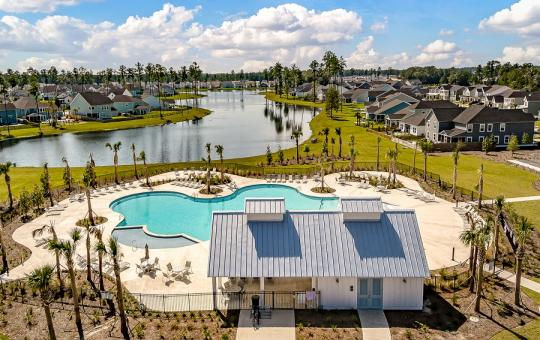
The community was designed with outdoor space in mind. Sidewalks, trails, ponds, green areas, and neighborhood amenity centers help create a connected feel.
The Cane Bay YMCA is one of the area’s standout lifestyle amenities. Many residents also enjoy nearby parks, lakes, and regional recreation options throughout Berkeley County and the Summerville area.
Shopping and services
Daily errands are a major part of the community’s appeal. The Market at Cane Bay and nearby commercial areas offer grocery options, services, fitness choices, medical offices, and other conveniences.
Residents can also reach Nexton, downtown Summerville, Goose Creek, and Moncks Corner for more shopping, services, and entertainment.
Dining
Dining options continue to grow as the surrounding area expands. Residents will find casual restaurants, coffee spots, pizza, quick-service dining, and family-friendly choices close by. For more variety, Nexton and downtown Summerville add breweries, local restaurants, brunch spots, and date-night options within a reasonable drive.
The lifestyle benefits of living here
The strongest lifestyle benefit is convenience without giving up neighborhood feel. Many homes sit within planned sections that include sidewalks, amenity centers, pools, playgrounds, and community gathering areas.
Active adult buyers often focus on Del Webb Charleston and Four Seasons because those communities offer structured social life, clubs, fitness, and low-maintenance living. Families often look for school access, parks, pools, and practical floor plans. Remote workers may care more about dedicated office space, quiet streets, and easy access to errands.
The community also offers a range of budgets compared with some closer-in Charleston neighborhoods. That does not mean every home is a bargain. It means buyers can compare more choices in one area, from smaller homes to larger properties with premium lots.
The best home in this market is not always the newest one. It is the one that fits the buyer’s lifestyle, budget, section preference, and resale plan.
A buyer’s guide for success
Buying in a large master-planned community takes more than picking a floor plan. Use a clear process.
Compare new construction against resale homes
New construction may offer incentives, closing cost help, or design choices. Resale homes may offer fences, blinds, appliances, mature landscaping, screened porches, and upgrades already completed.
Do not compare only the list price. Compare the full cost to own.
Look at:
Lot premium
HOA fees
Closing costs
Builder incentives
Upgrade costs
Fence, refrigerator, washer, dryer, and window treatment costs
Property taxes
Insurance
Commute patterns
Future construction nearby
Study the specific section
Each subcommunity has its own rhythm. Some feel quiet and established. Others have active construction. Some focus on active adult living. Others attract buyers who want schools, parks, and larger homes.
Drive the area at different times of day. Look at traffic, school pickup patterns, weekend activity, and how far the home sits from shopping or amenities.
Review HOA rules early
HOA rules can affect fences, sheds, rentals, parking, exterior colors, boats, trailers, and short-term rental options. Investors should pay close attention to rental restrictions before assuming a property will work as a rental.
Get inspections even on newer homes
Newer does not mean perfect. A home inspection can identify drainage issues, roof concerns, HVAC performance, electrical items, plumbing problems, attic insulation gaps, and grading concerns. For new construction, consider a pre-drywall inspection and a final inspection when possible.
Think about resale from day one
A home with a functional layout, good natural light, usable yard, and strong lot position often has broader future appeal. Busy road exposure, odd layouts, limited parking, or unusual design choices can narrow the buyer pool later.
A seller’s guide for success
Selling in this market requires smart positioning. Your home may compete with resale homes, new construction, builder incentives, and homes in several nearby sections.
Price against the right competition
A home in an active adult section should not be priced the same way as a family-focused home in another part of the community. A five-bedroom home on a premium lot should not be compared only by square footage.
The right pricing strategy looks at:
Subcommunity
Builder
Floor plan
Lot quality
Age and condition
Upgrades
Amenity access
Active competition
Recent closed sales
Builder inventory nearby
Prepare the home before photos
Buyers expect newer communities to feel clean, bright, and move-in ready. Small details matter.
Focus on:
Fresh paint touch-ups
Clean windows
Pressure-washed driveway and siding
Trimmed landscaping
Decluttered kitchen counters
Clean bathrooms
Organized garage
Working lights and fans
Fresh mulch or pine straw
Make upgrades easy to understand
Do not assume buyers will notice everything. List upgrades clearly in the marketing materials. Include items such as flooring, quartz or granite counters, screened porch, patio extension, gutters, fencing, irrigation, tankless water heater, built-ins, upgraded lighting, and appliance packages.
Watch builder incentives
If builders are offering rate buydowns, closing cost credits, or price adjustments, resale sellers need a smart response. That does not always mean cutting price. Sometimes it means improving presentation, offering closing cost help, adjusting timing, or highlighting upgrades that new homes do not include.
Make access simple
The easier a home is to show, the more chances it has to sell. Restricted showing windows can hurt momentum, especially when buyers are touring several homes in one trip.
What investors should watch
Investors should look beyond growth and focus on the details that affect cash flow and resale.
Key items include:
HOA rental rules
Lease minimums
Property management costs
Insurance
Taxes
Maintenance reserves
Competing rental supply
Commute access
School zoning
Future new construction
A newer home can reduce some maintenance surprises, but it may still need appliances, fencing, blinds, landscaping, and ongoing repairs. Run conservative numbers before buying.
How I help clients navigate the market
A large community creates more choices, but it also creates more ways to overpay, underprice, or miss a better fit. My role is to separate noise from useful information.
That means helping buyers compare builders, sections, incentives, resale value, HOA rules, and inspection findings. It also means helping sellers position their home against the correct competition, not just the nearest listing with a similar square footage.
The goal is simple: make confident decisions based on the home, the section, the numbers, and the long-term plan.

The takeaway for buyers and sellers
Cane Bay offers a strong mix of location, lifestyle, builder variety, and neighborhood choice. That variety is the opportunity, but it is also the challenge.
Buyers should compare sections carefully, study total ownership costs, verify schools and HOA rules, and weigh new construction against resale homes. Sellers should price with precision, prepare the home well, and understand how builder incentives affect buyer behavior.
The best results come from local knowledge, clean strategy, and a clear view of the competition. Whether the goal is buying a first home, moving up, downsizing, selling for top value, or investing with care, this is a market where expert guidance can make a real difference.

Comments